Lengyeltóti
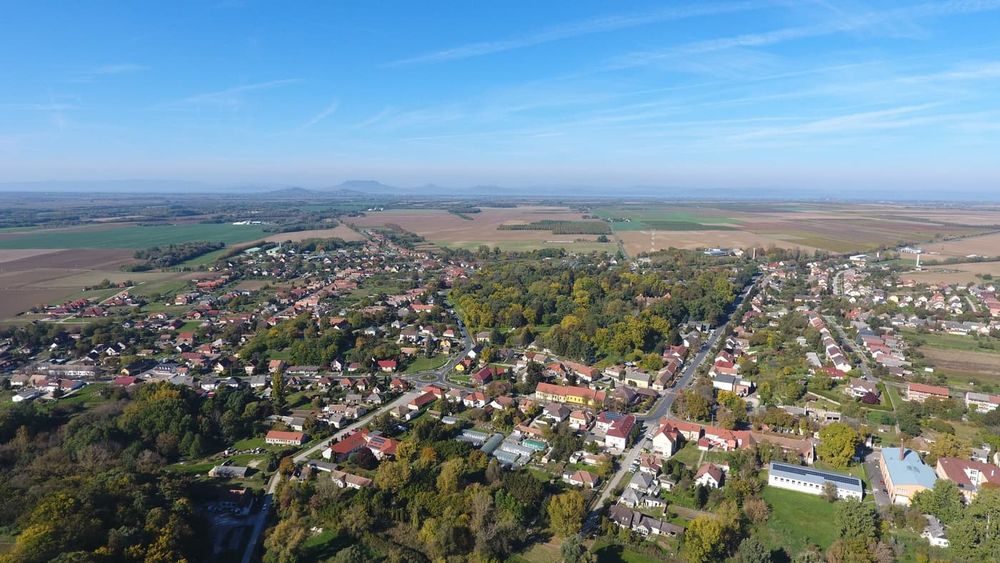
The town of Lengyeltóti lies 12 km from the shore of Lake Balaton in the Csalogányok Valley, surrounded by rolling hills. Its name was first mentioned in 1116 in the founding charter of the Almádi monastery as Villa-Tout. Later it appeared as Thoty and Thothy.
jpgThroughout the Middle Ages, it was owned by the Lengyel family. Its church was built in the second half of the 12th century, but records of its parish priest only date back to 1426. The census at the beginning of the 18th century found only 20 households in the settlement.
From 1871 to 1950, it was the seat of the district. Its railway station was built in 1896. From 1932, passengers were transported to the railway station by bus. In 1977, it was declared a large village. It formed a joint council with seven villages, but then several villages regained their independence.
Lengyeltóti has been a town since 1992. The settlement's agriculture has been famous since the beginning of the 19th century. At that time, Baron Ferdinand Fechtig had a stud farm of three hundred Arabian horses, four hundred cattle, and twelve thousand sheep. In 1895, only Badacsonytomaj surpassed it in terms of vineyard size. The flourishing agriculture triggered urban development and changed the image of the settlement. After 1945, the three large agricultural enterprises operating in the area employed the working population. In addition to arable crops, large-scale vineyards and orchards were established, and livestock farming was also significant. As a result of privatization in the 1990s, part of the former large-scale farm became employee-owned. Today, the most famous attraction is the Pusztaberényi Furioso stud farm (a breeding site known since the 16th century). The town's tourist attraction is the 26-hectare Kék-Tó holiday village, where a three-star hotel, bungalows, a campsite, a bathing lake, a fishing lake, a restaurant, a bar and a playroom await guests. The former Zichy castle and the 12th-century church, which was later expanded several times, are noteworthy historical buildings in the town. The 1995 restoration uncovered 12th-century remains. The stone cross at the end of the beautiful crossroads is nearly a thousand years old.