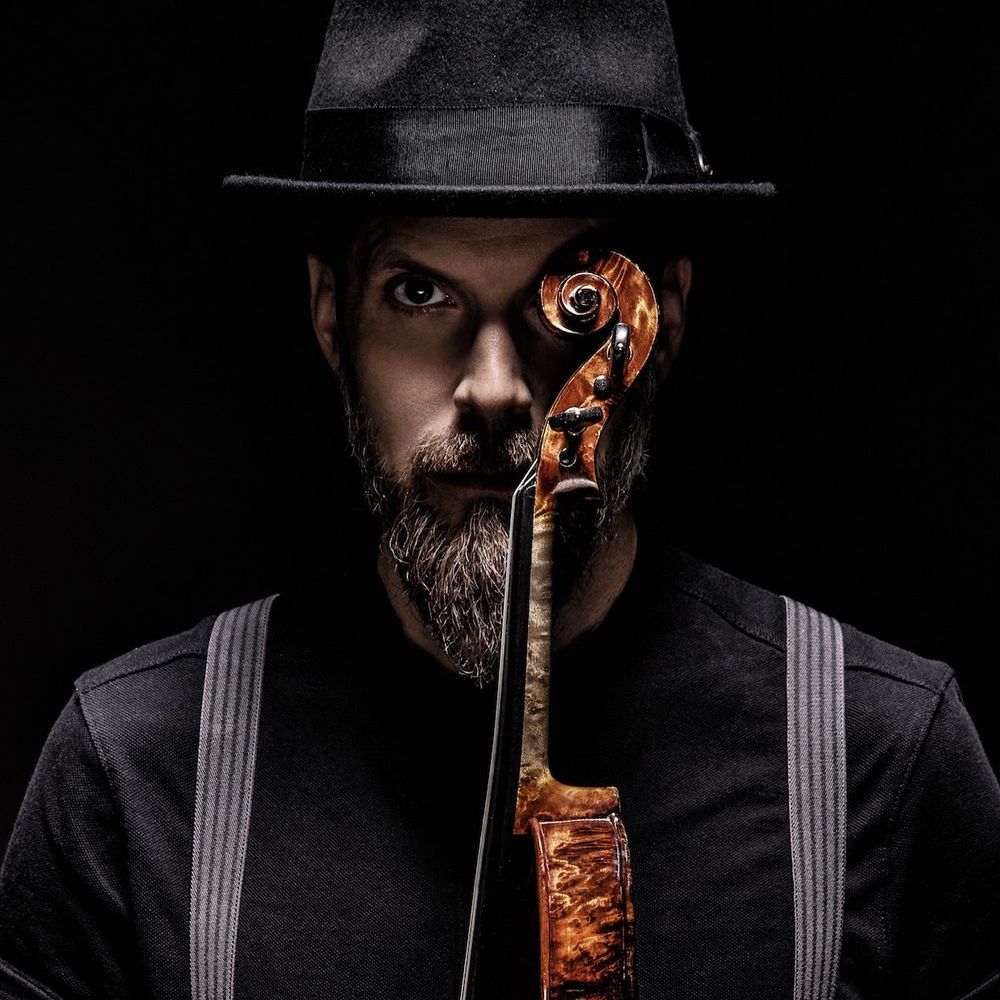
Szabó Balázs Bandája, Hangácsi Márton


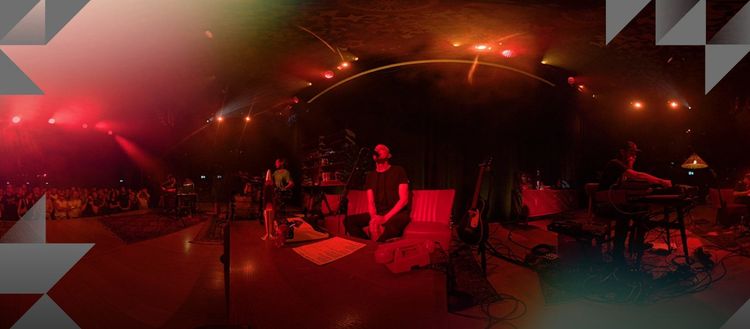
The sixth Szabó Balázs Bandája album, KERINGÉS, is coming, which will be accompanied by a record release tour later this year. From the end of November until the end of December, the band will perform their latest songs in 10 cities, from Kecskemét to Sopron and Debrecen, and the tour will continue in the spring!
Schedule
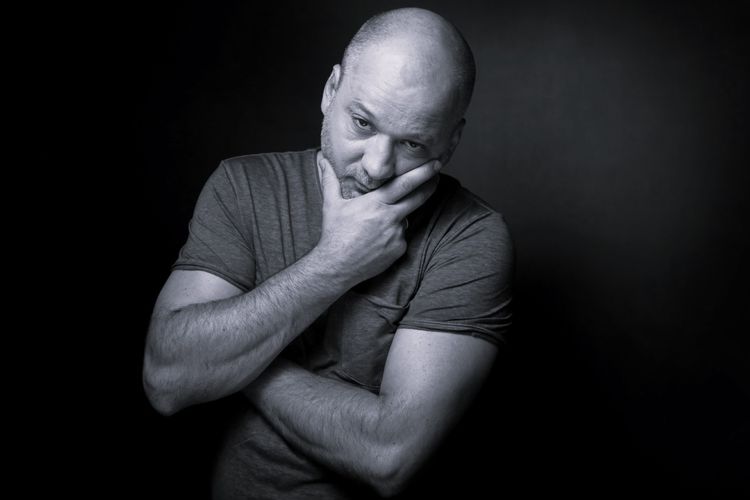
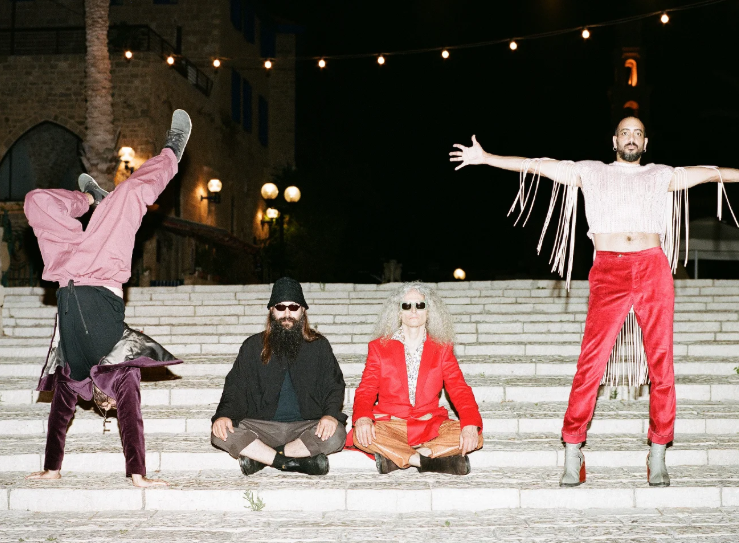
Balázs Szabó founded his Szabó Balázs Band in 2009, which has grown in recent years to become one of Hungary's most popular bands, and he has achieved this by drawing on the world of Hungarian folk music, chanson, pop, rock, funk and chamber music, and adding a completely unique, boundary-breaking and genre-building sound. Their work has a strong tradition of setting poetry to music, and in addition to their own compositions, they have dedicated a major album to songs from the poems of János Pilinszky and Miklós Radnóti, and have also set music to other poets (Krisztián Grecsó, Ferenc Szemlér). They have released five studio albums, a live album and a concert film, and their 2014 album Life to Go won the Fonogram Award for Alternative Album of the Year. Among other awards, Balázs Szabó received the prize for "Male Artist of the Year" at the 2016 Petőfi Music Awards.
Support: Hangácsi Márton
Granárium Zebra Club
The Zebra Club is considered the predecessor of the "A Club", founded in 1989 at the dawn of the regime change, where the "A" referred to the word "alternative", indicating that the club wanted to depart from the mainstream, both in terms of its cultural and musical programmes, although the founders of the club may not have known the word at the time. It was all about rebellion, and helping the energy of youth to emerge and create. The club was founded on two parallel lines, one (the harder) line was represented by Zoltán Bencze (Csáklyás) and Pál Kohut (Kojak), while the other was represented by Ákos Szilvássy (Geri) and László Pálinkás (Lambee). The idea was greatly helped by the director of the then Péter Vajda Cultural Centre, who supported the idea and made the cellar club of the "art house" available to them. The Zebra Club is considered to be the predecessor of the "A Club", founded in 1989 at the dawn of the regime change, where the "A" stands for "alternative", indicating that the club wanted to depart from the mainstream, both in terms of its cultural and musical programmes, although the founders of the club may not have known the word at the time. It was all about rebellion, and helping the energy of youth to emerge and create. The club was founded on two parallel lines, one (the harder) line was represented by Zoltán Bencze (Csáklyás) and Pál Kohut (Kojak), while the other was represented by Ákos Szilvássy (Geri) and László Pálinkás (Lambee). The idea was greatly helped by the director of the then Péter Vajda Cultural Centre, who supported the idea and made the cellar club of the "art house" available to them.