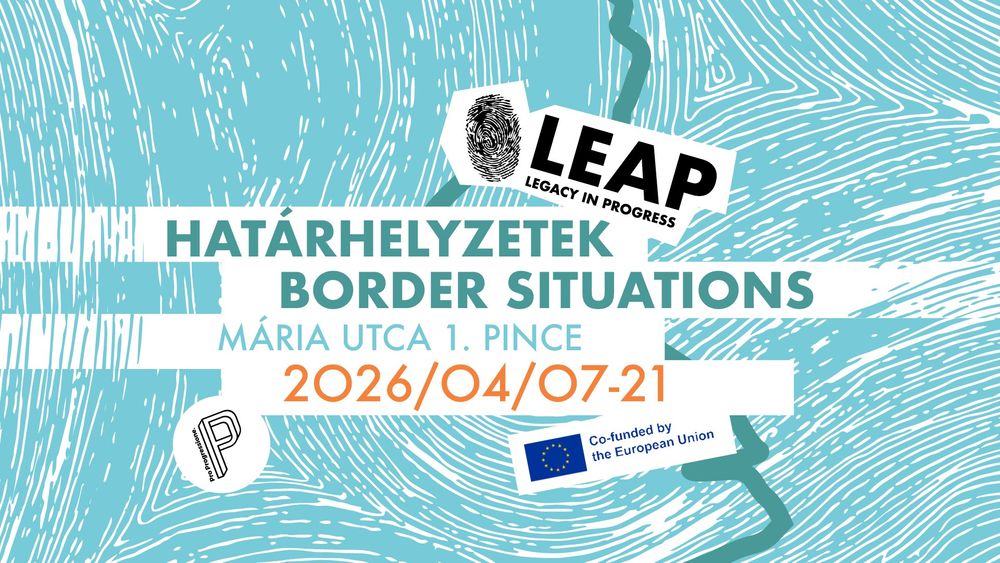
Border situations

Drawing on the historical memory of the transatlantic slave trade, the exhibition examines how the legacy of colonialism continues to shape the present. Coloniality — a concept developed by Aníbal Quijano — refers to the fact that the effects of colonialism have not disappeared from modern societies. The exhibition understands it as a mode of operation that repeatedly produces unequal access to protection, mobility, and recognition. Hungary is not a classical colonial power, yet the exhibition starts from the premise that the social relations inherited from colonialism are not confined to former empires alone. Stereotypes tied to skin colour and origin appear in institutions, border regimes, labour relations, and everyday language alike. In the Hungarian context, these hierarchical relations manifest in various forms, including internal colonisation and self-exculpatory narratives of victimhood. Solidarity here therefore does not mean pity, but self-critique, risk-taking, and accountability.
Schedule
A key conceptual point of departure for the exhibition is French artist François Piquet’s two-channel film, in which parallel monologues by white and non-white speakers from Guadeloupe unfold. Through the viewer’s own perception and reactions, the work shows that allyship is not an abstract concept, but a relationship that can be personally experienced. In connection with this, the artists featured in the exhibition examine how borders operate in everyday life, how language shapes our understanding of reality, and how all of this is influenced by the position from which we view a given situation.
They reveal the rules that determine who is allowed to enter and who is placed under surveillance; the cost of the mobility required for making a living; the ways distance shapes family relationships and urban everyday life; and how slogans, propaganda, and perspectives that devalue others become embedded in public discourse.
The works on view draw attention to situations in which racism and exclusion often operate unnoticed, as part of the ordinary order of everyday life. These include policing practices that disproportionately affect Roma communities, anti-refugee visual propaganda after 2015, the precarity of labour linked to migration, and the absent or distorted public representation of minority communities. In these works, the border is not only a national border, but also a force that shapes embodied experience, institutional functioning, and everyday speech.
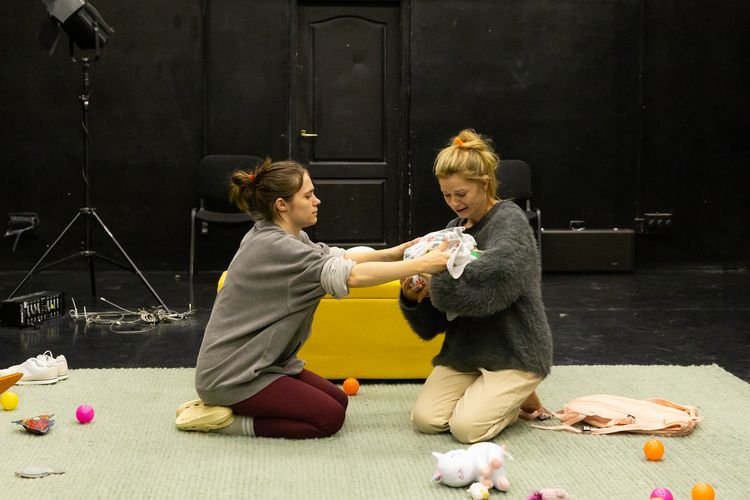
Grounded in the social realities of Budapest, the collaborative projects bring closer the Roma experience, the reversal of stigma, the search for possible futures, and participatory, performative attempts to process trauma collectively. At the same time, they avoid staged empathy, the spectacularisation of suffering, and liberal self-congratulation. The workshops, guided programmes, and roundtable discussions create an open space for dialogue, attention, and debate.
Budapest
The best things to do in Budapest! Several medieval bridges connect the 2 sides of the city that give it its name: Buda and Pest. Cruising along the Danube is a great way to see Budapest in all its glory.