Children of Medea

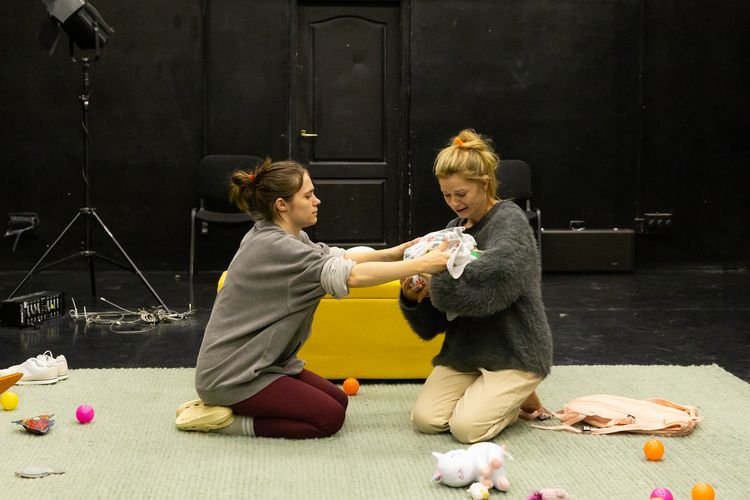
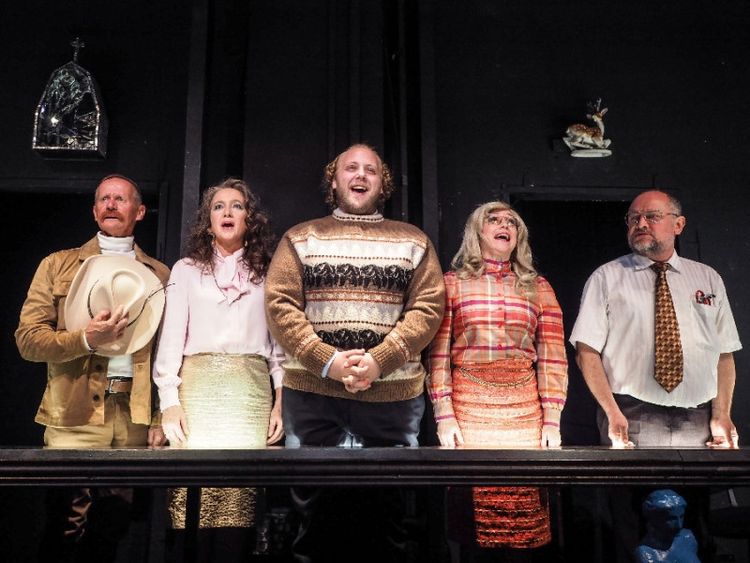
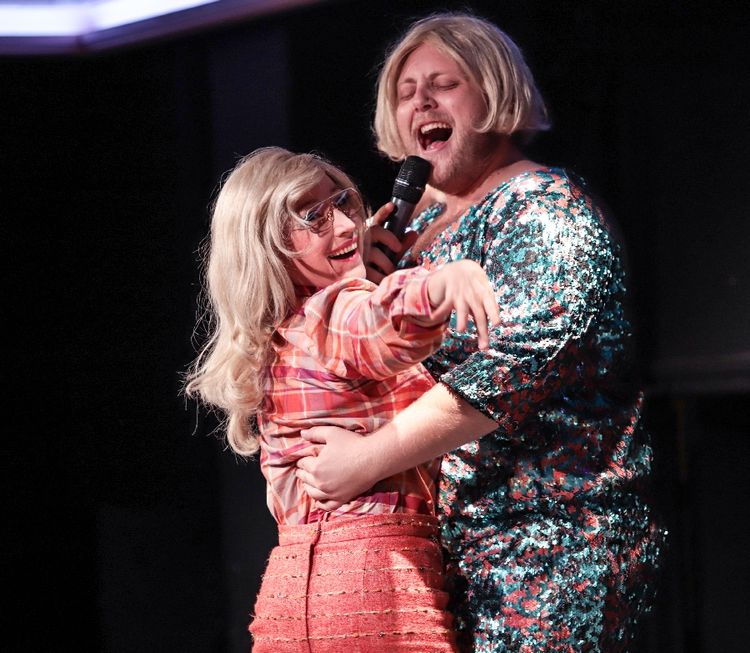
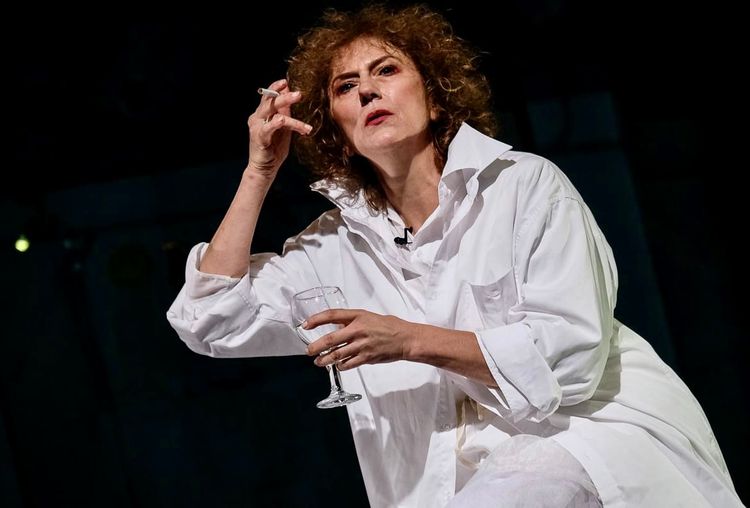
Medea and Jason, with their two sons, are waiting outside the walls of Corinth. The wall behind which may one day be home for them. If not, then they must go on, and continue their years of flight that somehow never seems to end. At some distant, obscure starting point, Jason is sent by his uncle to Colchis to retrieve the Golden Fleece, hoping to die in the savage land of the Caucasus, or even en route. In Colchis, however, he met Medea, with whom he fell in love, and with the Golden Fleece, he escaped from the barbarian land.

Schedule
Ez az út tele van titkokkal, cinkos hallgatással, halállal, hazugságokkal, amelyek által egyre messzebbre kerül egymástól a két ember. Iászon ismeretsége révén oltalmat remél Kreontól, Kreon fél Medeától, akit gyilkosnak tart, Medea nem akar semmit, csak Iászont, ahogy annak idején. Esik az eső, a fal mögött ünnepelnek, a sátor ázik, és a határon lézengő kóbor kutyák lassan megszokják a jelenlétüket.
A Narratíva Kollektíva Medea gyermekei projektjének kiindulópontja nem egy Medea dráma, hanem Medea mitológiai alakja maga. Euripidész Médeia című drámája, Franz Grillparzer Médea trilógiája, Jean Anouilh Médeia című drámája alkotják az előadás szövegének magját. A különböző századokban született szövegek eltérő stílusban, világban fogalmazódtak úgy, hogy a három felsorolt szerző mindegyike más-más fókuszt, dramaturgiát keresett a Medea mitológiában. Euripidész drámájában a történet tiszta, világos. Az osztrák író és költő, Franz Grillparzer trilógiájában, melynek alapvető szervező eleme az Aranygyapjú, és a körülötte kibontakozó egyre nagyobb zűrzavar, a motivációk, viszonyok bonyolultak és fedettek. Jean Anouilh művében az idegenség, esendőség és a magárahagyatottság motívumai kerülnek a fókuszba. Az idegenség érzete és a kívülállóság mind olyan motívumok, amelyek a hétköznapokban ugyanúgy jelenlévő kérdések, ahogy egy pár éves független társulat életében.
Jurányi House
The Jurányi Production Community Incubator House has become a key venue in the capital's cultural life, a vibrant hub of the contemporary art scene.
Our aim in creating the Jurányi was to find a stable, shared home for the independent theatre and creative arts sector, providing the infrastructure necessary for its day-to-day operations. We wanted to create a cultural centre in the Buda area, a "contemporary art house" where theatre-loving young people could spend a few hours over a coffee or even a theatre performance, a creative children's activity or an acrobatic movement class, thus re-filling the abandoned educational institution with an active community life.
Jurányi is more than just a theatre in Buda, it is a creative and creative base where visitors can enjoy a varied artistic, community, and educational program, in addition to a regular repertoire of 300 productions a year. We are proud that the Jurányi House is now a graduation subject in some art schools.