
Schedule
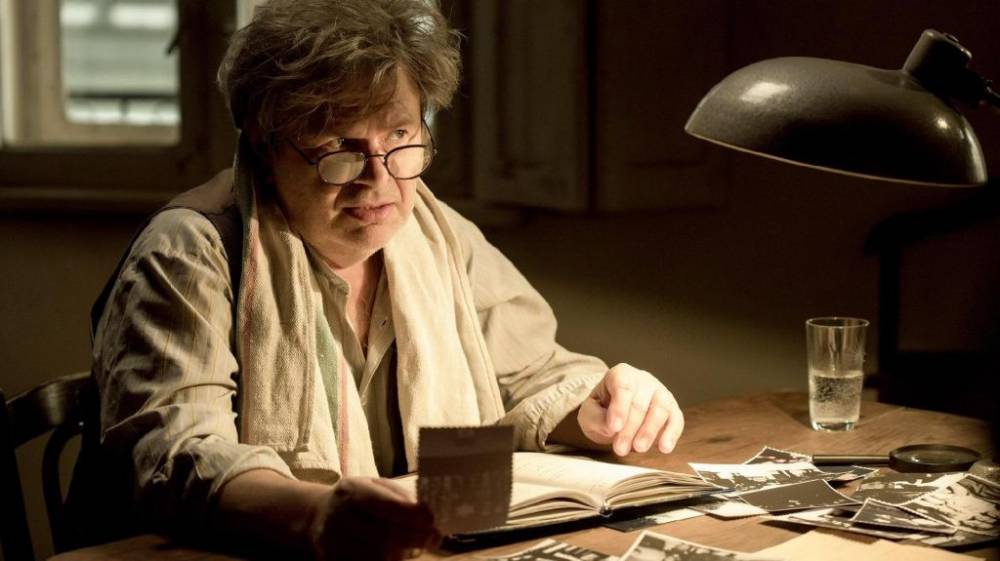
In the autumn of 1944, at the age of sixty, Ernő Szép was called up for labour service because of his Jewish origin. By then he had already been moved out of the hostel on Margaret Island, where he had lived for thirty-three years, and interned in a star-shaped house on Pozsonyi Road. Although he was released after three weeks thanks to an immunity passport from the Swedish Embassy, he experienced the inhumanity of Nazism first hand. In his memoir, Emberszag, he gives a diary-like account of the long marches, the nights spent in stadiums and brickworks, the cruelties of the Hungarian Arrow Cross cadres, their cold-blooded murders, the systematic terror with which Jews were stripped of their human dignity and their torturers stripped of their humanity. But Ernő Szép's voice, as in his earlier works, is light and direct, full of compassion and understanding, and he speaks of his suffering with detached irony. The same humanity, in defiance of tragedy, that makes his poetry so moving, emanates from the sentences of Embersag. In this dramatic performance of the diary, the poems and chansons of Ernő Szép are also used as a lyrical counterpoint.
Our film drama won the Best Biographical Film Award at the ONIROS Film Awards® in New York, and József Gyabronka received the Special Award for Best Actor for his portrayal of Ernő Szép in the film.
Madách Theater
There is still an “era” in the Madách Theater. The era of the rise and success of musical theater. The change began in 1983 with Cats, whose decades-long series of success provided a solid foundation for the next defining step: the legendary 2003 performance of The Phantom of the Opera. Both performances were directed by Tamás Szirtes, who was elected director of the Madách Theater in 2004. Under his direction, the Madách Theater embarked on a path that has resulted in a successful musical theater of outstanding quality. World-famous musicals line up in his program, which are usually in large blocks, so-called they are staged according to the en suite playing order, and each performance remains on the show for years. The basic aim of the theater is to give the viewer the same experience even after 10 years as at the premiere.