Children of Medea

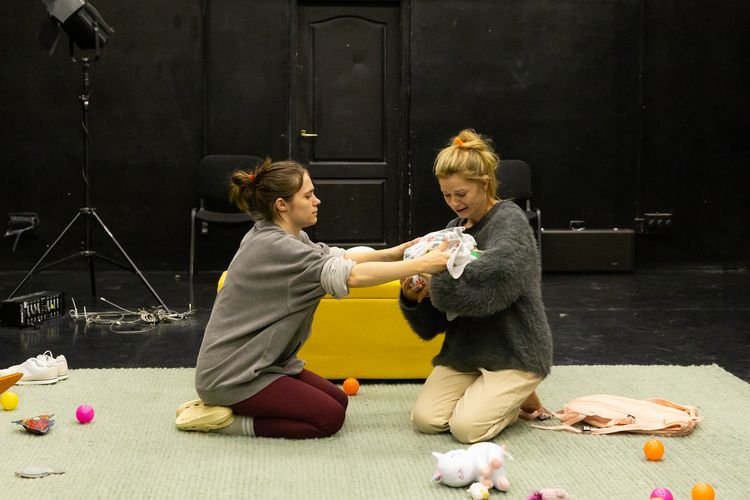
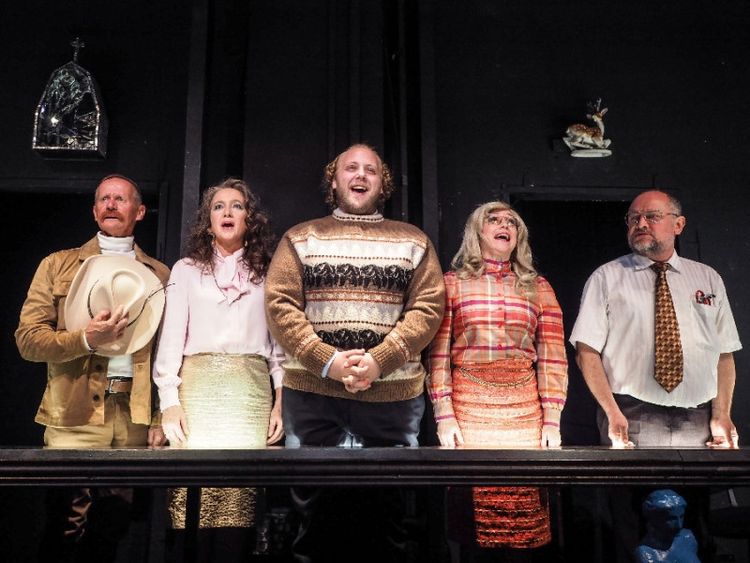
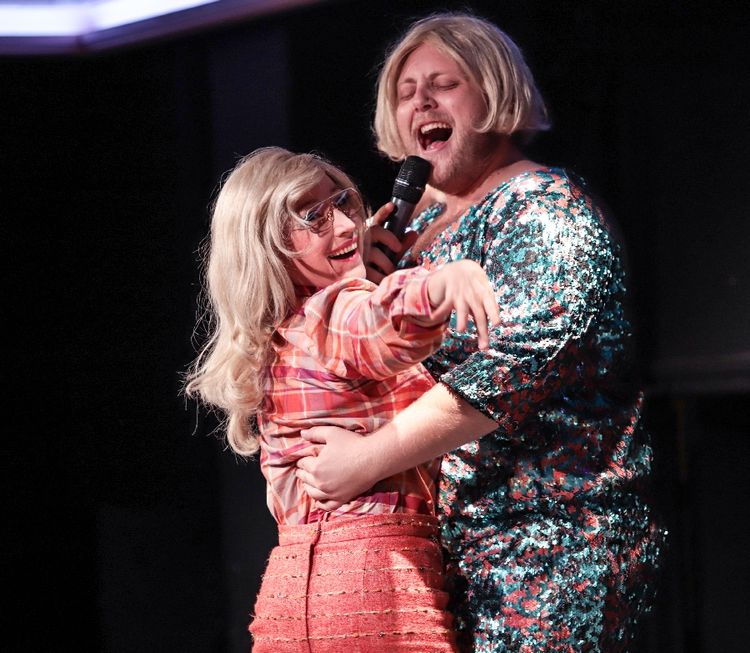
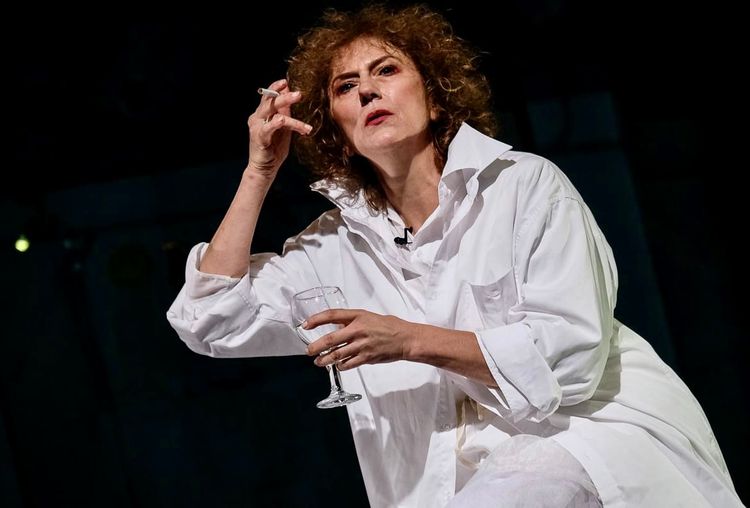
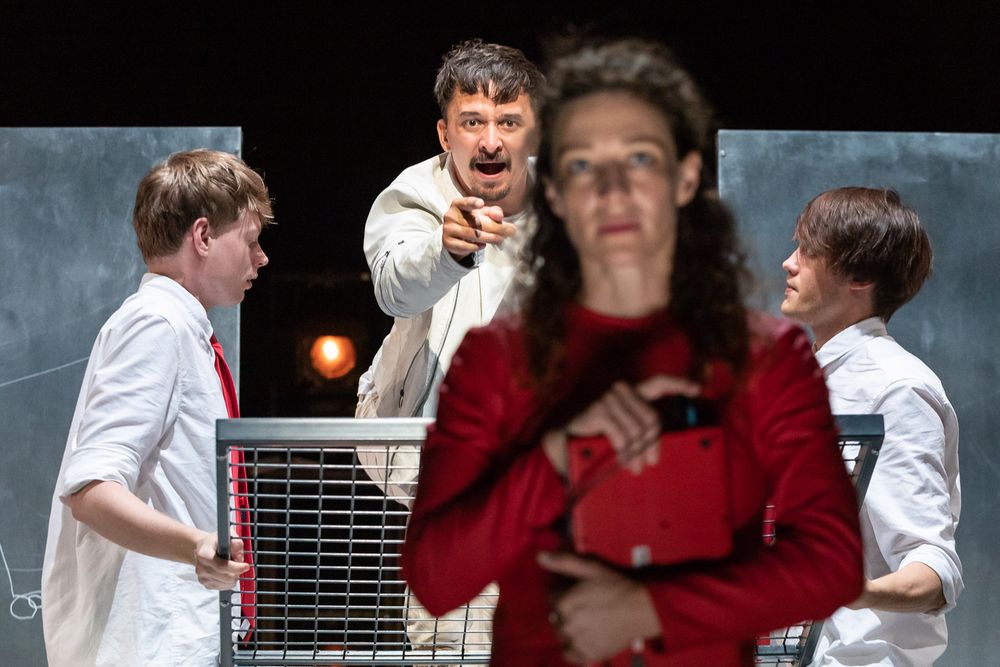
Medea and Jason, with their two sons, are waiting outside the walls of Corinth. The wall behind which may one day be home for them. If not, then they must go on, and continue their years of flight that somehow never seems to end. At some distant, obscure starting point, Jason is sent by his uncle to Colchis to retrieve the Golden Fleece, hoping to die in the savage land of the Caucasus, or even en route. In Colchis, however, he met Medea, with whom he fell in love, and with the Golden Fleece, he escaped from the barbarian land. It is a journey full of secrets, conniving silences, deaths and lies that bring the two men further and further apart. Jason hopes for protection from Creon through his knowledge, Creon is afraid of Medea, whom he considers a murderer, Medea wants nothing but Jason, as she once did. It is raining, they are celebrating behind the wall, the tent is soaking wet, and the stray dogs on the border are slowly getting used to their presence.
Schedule
Narrative - Füge Produkció
The starting point of the Narrative Collective's project Medea's Children is not a Medea drama, but the mythological figure of Medea herself. Euripides' drama Medea, Franz Grillparzer's Medea trilogy and Jean Anouilh's Medea form the core of the text of the performance. The texts, written in different centuries, were conceived in different styles and worlds, with each of the three authors seeking a different focus and dramaturgy in the mythology of Medea. In Euripides' drama, the story is clear and lucid. In the trilogy by the Austrian writer and poet Franz Grillparzer, whose basic organising element is the Golden Fleece and the growing confusion that unfolds around it, the motives and relationships are complex and cloaked. In Jean Anouilh's work, the motifs of alienation, fallibility and abandonment are at the heart of the story. The sense of alienation and of being an outsider are motifs that are as much a part of everyday life as they are of the life of an independent couple.
Jurányi House
The Jurányi Production Community Incubator House has become a key venue in the capital's cultural life, a vibrant hub of the contemporary art scene.
Our aim in creating the Jurányi was to find a stable, shared home for the independent theatre and creative arts sector, providing the infrastructure necessary for its day-to-day operations. We wanted to create a cultural centre in the Buda area, a "contemporary art house" where theatre-loving young people could spend a few hours over a coffee or even a theatre performance, a creative children's activity or an acrobatic movement class, thus re-filling the abandoned educational institution with an active community life.
Jurányi is more than just a theatre in Buda, it is a creative and creative base where visitors can enjoy a varied artistic, community, and educational program, in addition to a regular repertoire of 300 productions a year. We are proud that the Jurányi House is now a graduation subject in some art schools.