
Schedule
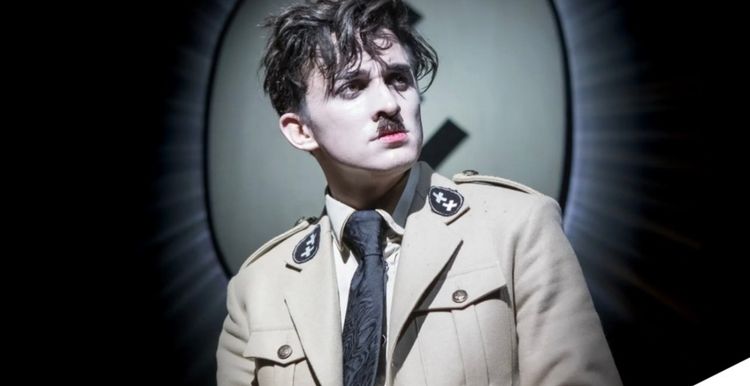
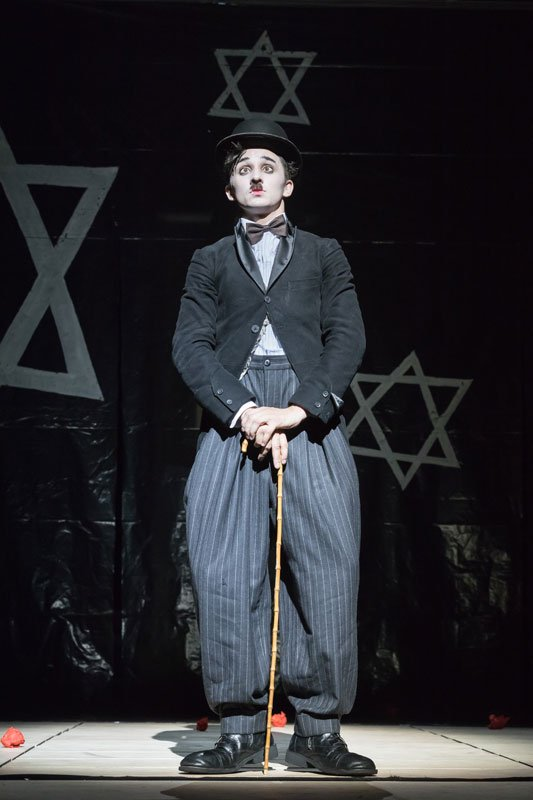
Charlie Chaplin's most influential film, The Dictator, is a profoundly humanist work. In the dual roles of the little barber and the great dictator, he is at times relentlessly sarcastic and at other times a clownish relief to the anxieties of millions. The actor's unforgettable moustache, his legendary shoes, his bowler hat and his movements are burned into the memory of everyone.
The story is set between the two world wars, in an era when poverty and madness were rampant. Humanity and faith in freedom had failed. Chaplin began shooting the film on the advice of Hungarian-born film director and producer Sándor Korda. The Dictator follows the building of Hitler's Reich and the persecution of the Jews until the invasion of Austria.
Vígszínház
The Vígszínház is one of the most historic and popular theatres in Budapest. Its three venues (the Main Stage, the House Stage Studio and Chamber, the Pest Theatre) have a total of more than 1700 seats. The theatre is also known as the cradle of modern Hungarian bourgeois drama, with famous authors such as Jenő Heltai, Sándor Bródy, Dezső Szomory, Menyhért Lengyel, Ernő Szép, Sándor Hunyady, Ferenc Herczeg, and others. In the 21st century, the majority of the world's theatres with large auditoriums have lost a good part of their audience. Despite this trend, the premieres of the Vígszínház are successful, and its performances are well attended. The theatre is located on the Újlipótváros side of Szent István körút in Budapest.