One percent Indian

"As a director, the real real realisation for me in recent years has been that there are not many patterns in human behaviour and action, that by and large everyone follows the same choreography through life. From start to finish, the same few basic things define a man-woman or a professional relationship. But there are infinite nuances, and somewhere in these confusing nuances is our own identity. The planned new production of Vision is also an excellent opportunity to explore these shades and to dissolve into them from time to time. In the end, creation is nothing more than an investigation, a self-identification." Szabolcs Hajdu
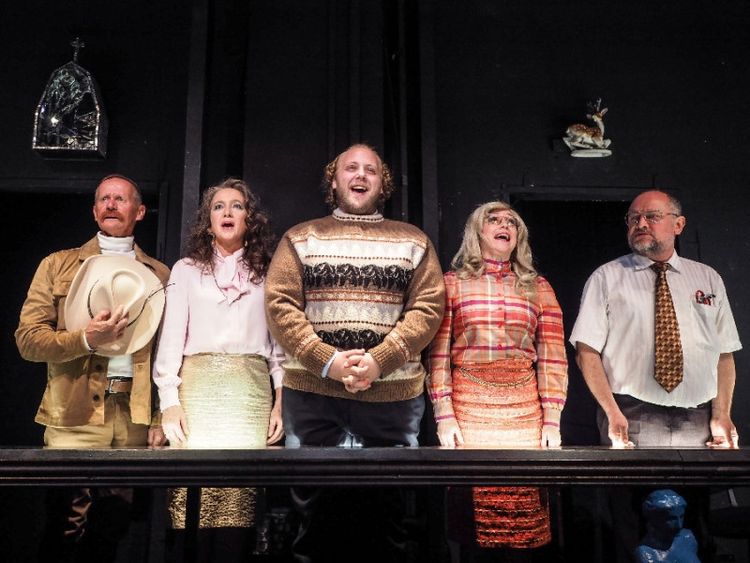
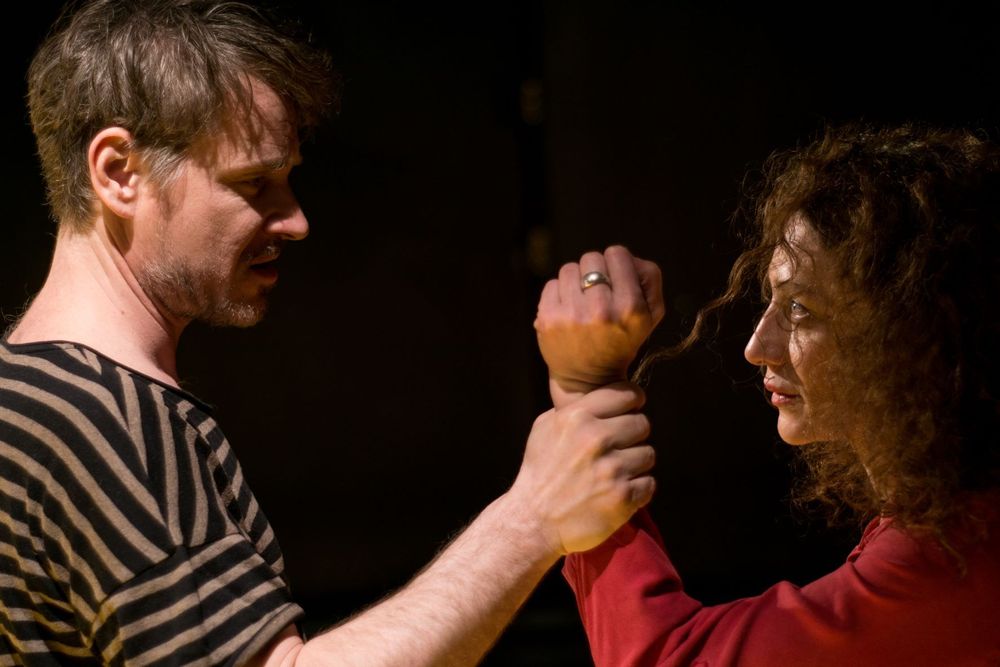
The latest production of the Látókép Ensemble theatre and film collective, together with the team's previous two plays - Ernelláék Farkasék and Kálmán-nap - could be considered the final part of a theatre trilogy.
Schedule
The protagonists of the stories are middle-aged couples struggling with the most ordinary, yet seemingly insurmountable problems of their lives. This helplessness leads to irritation, despair and, in the course of the plays, usually a crisis in the couple.
In Ernella's Wolfsbane, it is the disputes over child-rearing, and in St. John's Day, it is the tensions arising from the lack of intimacy, sexuality and the moral issues involved.
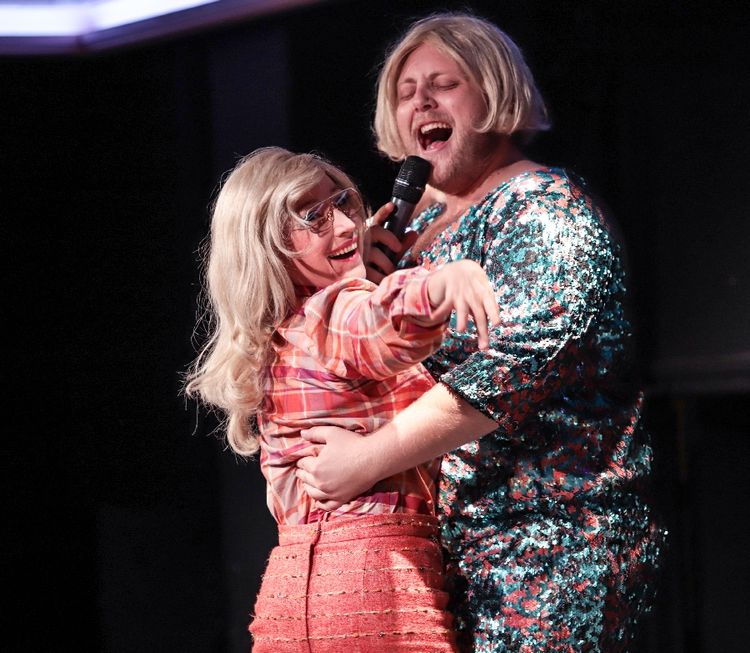
One Percent Indian focuses on identity, inherited behavioural patterns, male chauvinism, feminism and modern gender roles.
Cast:
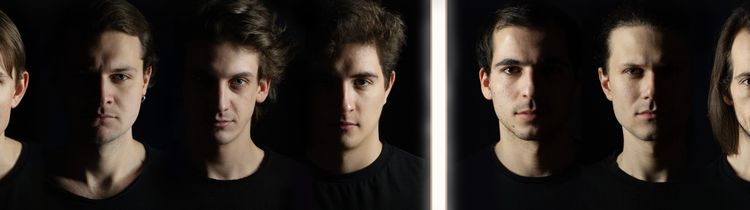
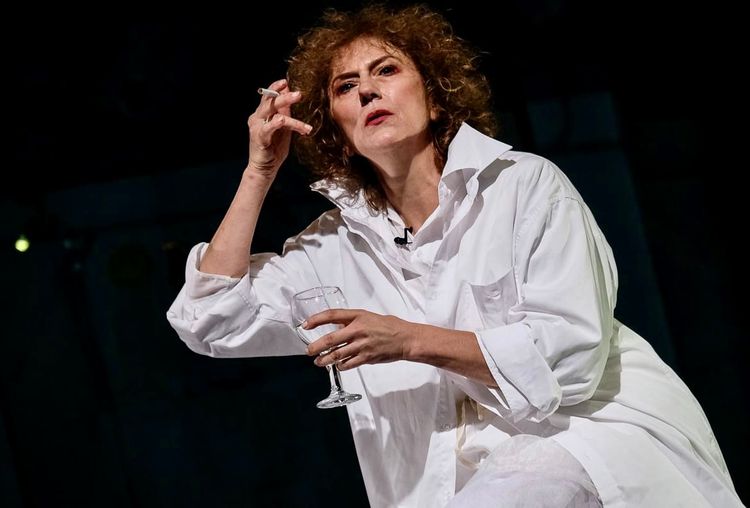
Erika Tankó, Juli Jakab, Kata Pető, Szabolcs Hajdu, Imre Gelányi, Domokos Szabó
Creators:
Written and directed by: Written by Szabolcs Hajdu
Written and co-directed by Hajdu Szabó
Lighting: Csaba Bántó
Sound and lighting: Szabolcs Vereb
Music: Szabolcs Vereb
Production Coordinator:Fruzsina Eszes
Sponsors:
NKA, B32 Gallery and Cultural Space, Hold21 HPS KultSzalon
DURATION OF THE PERFORMANCE
85 minutes
Jurányi House
The Jurányi Production Community Incubator House has become a key venue in the capital's cultural life, a vibrant hub of the contemporary art scene.
Our aim in creating the Jurányi was to find a stable, shared home for the independent theatre and creative arts sector, providing the infrastructure necessary for its day-to-day operations. We wanted to create a cultural centre in the Buda area, a "contemporary art house" where theatre-loving young people could spend a few hours over a coffee or even a theatre performance, a creative children's activity or an acrobatic movement class, thus re-filling the abandoned educational institution with an active community life.
Jurányi is more than just a theatre in Buda, it is a creative and creative base where visitors can enjoy a varied artistic, community, and educational program, in addition to a regular repertoire of 300 productions a year. We are proud that the Jurányi House is now a graduation subject in some art schools.