RASZA

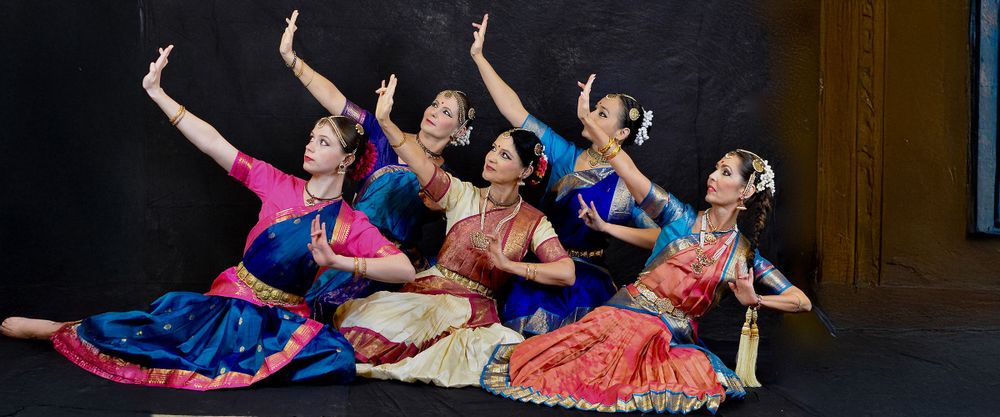
“Rasa” is a Sanskrit word meaning “taste”. In Indian theatre aesthetics, it describes the experience evoked in the audience during a performance. Just as there are many different rasas, there are also many types of performance. Today’s classical Indian dance forms all have ancient roots, traces of which can still be found in contemporary performance styles.
Schedule
Classical Indian dance is a bridge between past and present: deeply traditional and seemingly old-fashioned on the one hand, yet modern and adaptable on the other. Above all, it is a true survivor. It has endured for centuries, even millennia, witnessing the rise and fall of empires, wars, persecution, revival and international recognition.
During the performance, we travel back in time to explore the origins and evolution of Bharatanatyam, the classical dance form of South India, tracing its journey from the theatre through temples and royal courts to today’s dance stages.
A dance history presentation filled with dance, hopefully leaving audiences immersed in rasa – the essence of the experience.
National Dance Theatre
On 15 February 2019, Budapest's unique new cultural arena opened its doors: the new National Dance Theatre in Millenáris Park. The building, equipped with the latest theatre technology and featuring unique architectural solutions, offers two theatre halls and a chamber hall for dance lovers, as well as rehearsal rooms for professional dancers. The foyer of the building will also become a community space open to visitors to the park, giving Millenáris the opportunity to become even more part of the capital's bloodstream.