LETTERS AND SONGS // BOOK LAUNCH THIS WEEK

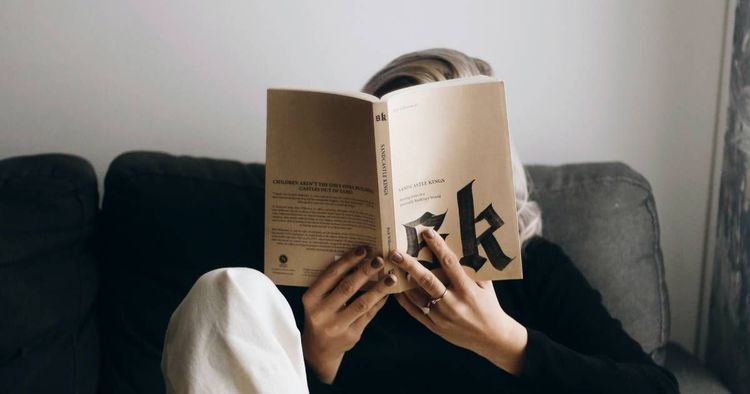
Boglárka Nagy talks to András Forgách and Otto Tolnai about their forthcoming books.
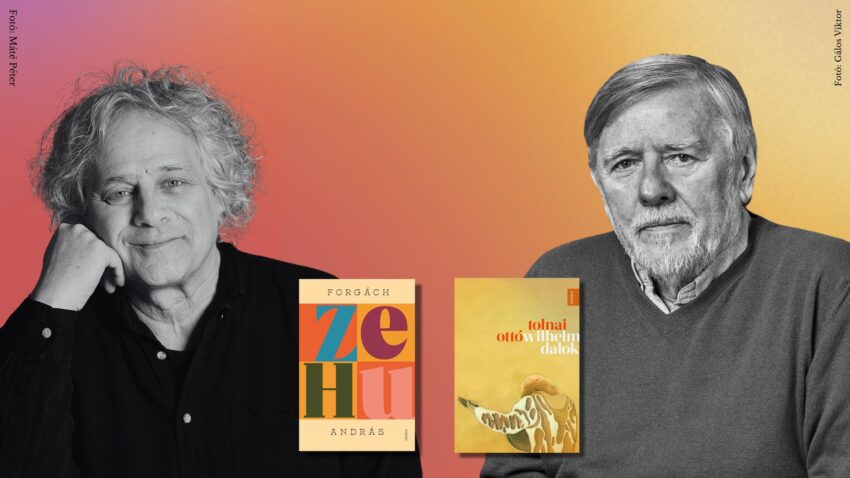
András Forgách: Zehu
"that's how it is, my little girl, we can't change it", writes a mother to her daughter from Tel Aviv to Budapest. In this long-winded epistolary novel, we follow the dramatic story of a family settled in Palestine for thirty years, then torn apart by the storms of history, while the richly nuanced tones of 20th century world history are revealed. András Forgách, with the freedom of a novelist, uses a brilliant narrative method to present the intricate relationships and adventurous lives of the characters in a vast family tableau. Principles and experiences collide, extreme emotions swirl between the Apfelbaums and the Rozsdaas, who live two thousand kilometres apart and who, mirroring each other's fate, have fled to their homelands, forever strangers in their new homes, never to return to the place of their birth. András Forgách's novel, originally published in 2007 under the title Zehuze, was radically reworked after the publication of The Living Volume Does Not Remain in 2015, and the third part of the trilogy is already in preparation.
Schedule
Ottó Tolnai: Wilhelm songs
The Wilhelm Songs were first published in 1992 and have become a cult classic in Tolnai's oeuvre over the decades. The singer of the novel, Wilhelm, the toothless half-wit, appeared as a minor character in a cycle of the 1983 volume Orpheus of the Countryside, only to become the protagonist of this "naive epic", as Beáta Thomka wrote, which fuses Vojvodina folklore and sociography. In the language of stammering poetry, Tolnai reveals the inherent helplessness and pettiness of the marginal role of the (marginal) rural poet in fragmentary, grotesque events. Wilhelm and the restless characters in the poems, including Tibike Vigh the Blind or the legless Baráth, wander in a world created on the borderland of reality and the imaginary, ever languishing but forever grinding in their profane mystery.
Nyitott Műhely
The Open Workshop is a fine place, a place where many different kinds of people can feel at home, which is to say that there is something that is rare and difficult to create, the spirit of the place. This spirit is very sympathetic to me, because it means both that there are shows that interest me and that the occasional stew is okay. And that I'm likely to meet people there who I'm happy to meet, and it's not even out of the question that they're me. Such public (open) spaces are rare in Budapest.