Diary of a madman

Orlai Produkciós Iroda - Füge Produkció - Katona józsef theatre
Based on a translation by József Czímer, Nikolai Vasilievich Gogol's "Petersburg narrative", "A Madman's Diary", directed by Viktor Bodó.
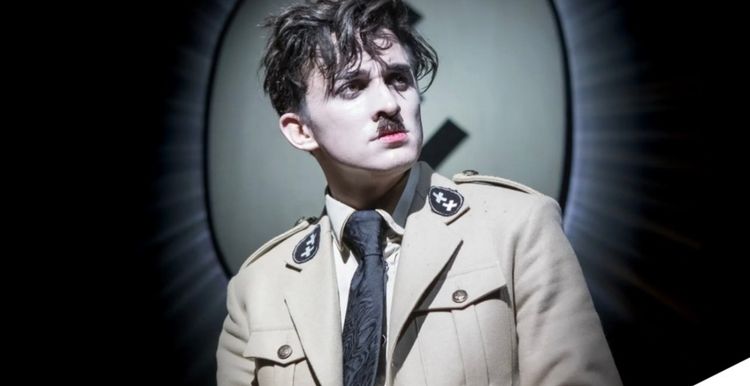
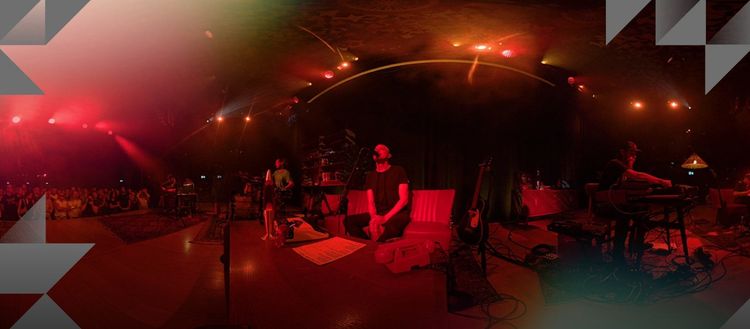
The protagonist of the story, a bureaucrat with an unstable sense of reality, is played by Tamás Keresztes, who is not the first person to play the lead role in a Bodó production, but was also the basis of the famous Ledarálnakeltűntem at the Katona József Theatre, which also presented the forced rampage of a helpless little man as an interesting parallel.
The script for the new version of Diary of a Madman is being prepared by comparing several translations with the original Russian copy. Besides Tamás Keresztes, another important "player" in the production will be the set designed by Tamás Keresztes , as well as the loop that will create the atmosphere and will be used to create the live music for the performance. Are we crazy or is the world crazy around us? - This is what Gogol's story, set in 1834, is all about, and the question is just as relevant now in 2016.

Schedule
Cast
Aksy Ivanovich Poprishin: Tamás Keresztes
Creators
Dramaturg: Róbert Júlia
Assistant: Zsuzsi Szakács
Set design by Tamás Keresztes
Graphics by Gergő Nagy
Lighting design by Antal Lohár
Sound engineer: Zoltán Belényesi
Expert: Dr. Zsolt Zalka
Producer: Tibor Orlai
Director: Viktor Bodó
Special thanks to: Nóra Juhász, Árpád Kákonyi, József Szalai, Dávid Szarvas
The production was created in cooperation with Katona József Theatre, FÜGE, MASZK Association (Szeged) and Orlai Production Office.
12+
Duration of the performance
110 minutes without intermission
Date of performance
2016.07.22.
Jurányi House
The Jurányi Production Community Incubator House has become a key venue in the capital's cultural life, a vibrant hub of the contemporary art scene.
Our aim in creating the Jurányi was to find a stable, shared home for the independent theatre and creative arts sector, providing the infrastructure necessary for its day-to-day operations. We wanted to create a cultural centre in the Buda area, a "contemporary art house" where theatre-loving young people could spend a few hours over a coffee or even a theatre performance, a creative children's activity or an acrobatic movement class, thus re-filling the abandoned educational institution with an active community life.
Jurányi is more than just a theatre in Buda, it is a creative and creative base where visitors can enjoy a varied artistic, community, and educational program, in addition to a regular repertoire of 300 productions a year. We are proud that the Jurányi House is now a graduation subject in some art schools.