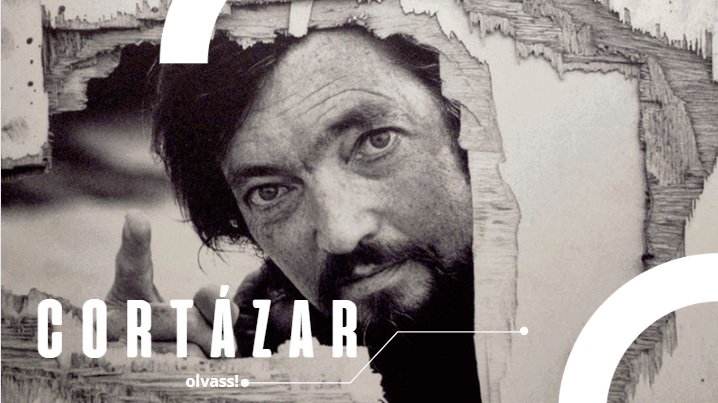
What does Cortázar tell us about ourselves?
WHAT DOES CORTÁZAR TELL US - ABOUT OURSELVES? An introspective workshop on some Cortázar novellas
Schedule
- 16:30-19:00Session I. (14th March)
- 15:30-18:00Session II. (28th March)
- 15:30-18:00Session III. (11st April)
- 15:30-18:00Session IV. (25th April)
The works of one of the most prominent figures in 20th century Latin American literature are widely known, loved and studied. Studies written about him would fill a small library, and his fans are still creating reader groups on social networking sites 39 years after his death.
But the programme we now bring to your attention is a departure from the usual, approaching the mysterious world of Cortázar's novels from a new, more practical perspective. It aims not only to give us the tools to unravel the complex web of narratives, which is thought, emotional and visual, but also to help us to discover hidden corners of our own personalities, perhaps less known. Cortázar's short stories seem to be particularly suitable for this purpose, since through his texts, which are sometimes difficult to understand and contain many contradictions and dichotomies, we can penetrate the deepest layers of human nature.
After all, what else is literature good for? What else is the authors' stated or unspoken purpose in telling us different stories? As the Swiss writer Max Frisch says: "Literature, among other things, also functions as individual therapy, a kind of psychoanalysis, for which we don't even have to pay." And the Frenchman Claude Royé is even more radical, arguing that "literature is completely dispensable, its only use is to help us live."
And indeed, literature, as well as entertaining us, helps us to understand the world around us and other parallel realities, one of the privileged tools that help us to gain a deeper self-knowledge, which is an indispensable condition for an authentic life. Literature and conversations about it, created in a trusting atmosphere, provide an effective and entertaining way to ask ourselves questions we have never thought about before, and sometimes even answer some of them, while immersing ourselves in the masterpieces of Latin American literature.
The 4 texts selected for the 4 sessions (reading them is essential to participate in the workshop):
Kirké - The dark side of femininity
The island in the south - The possibility of attaining earthly and metaphysical wholeness
A manuscript found in a pocket - Is there a companion destined for us?
End of section - Confronting our mortality
Language of the discussions: Hungarian
Number of sessions: 4
Dates: 14 March, 28 March, 11 April, 25 April
Time: 17:30 - 19:45
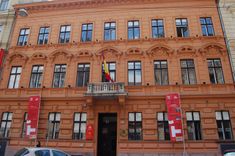
Place: attendance, Cervantes Institute Library (1064 Budapest, Vörösmarty utca 32.)
Number of participants: minimum 7
Participation fee: 13.000 HUF
Online registration: https://clicbudapest.cervantes.es/hu/activities
Workshop leader:
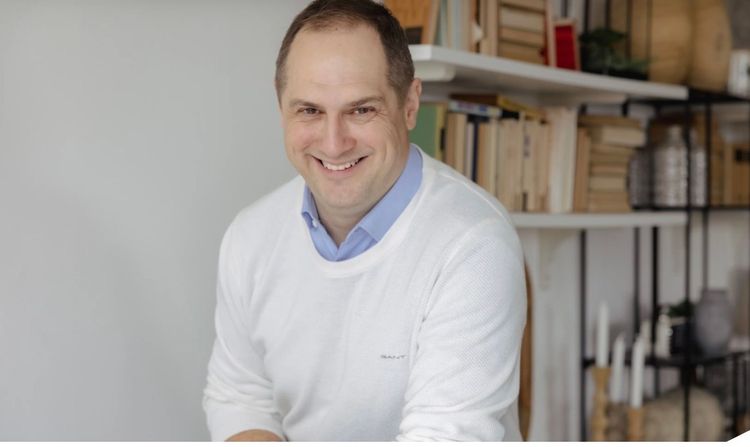
Andrea Imrei, Ph. D., Hispanist, literary translator, professional leader of the Pázmány Péter Catholic University's Bibliotherapy course
Cervantes Institute
With more than 80,000 students a year, the Cervantes Institute is the largest Spanish language teaching institution in the world, and in 2005 it was awarded the Prince of Asturias Prize in the category of Communication and Humanities.