Hungarians in the world - Liszt and Europe 2.

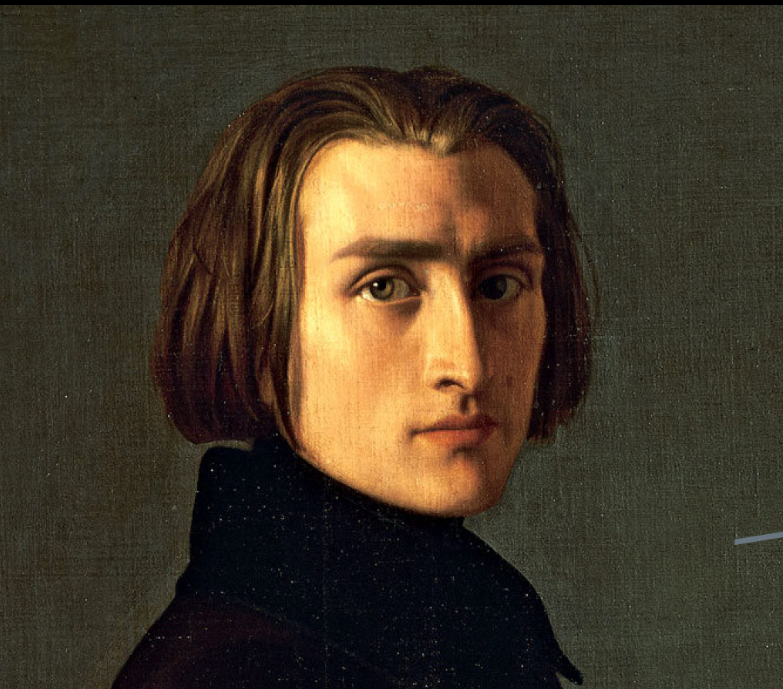
While there have always been instrumentalists with remarkable technical skills, it is no exaggeration to say that the modern concept of virtuosity was created by Franz Liszt in the 1830s. Not, of course, without precedents: for example, Niccolò Paganini, considered ‘the devil's violinist', had a huge impact on him. At this concert, we will explore how Paganini's mastery of the violin so enchanted Liszt, he in turn conquered all of Europe with his dazzling piano playing.
Schedule
Liszt exerted an influence on the musical life of Europe that was at least as intense as the one it exerted on him. Between the ages of 28 and 36, he travelled all over Europe: from Lisbon to Saint Petersburg and from Dublin to Istanbul, giving nearly a thousand concerts as a pianist as he simultaneously redefined the notion of virtuosity, invented the genre of the solo piano recital, created the phenomenon of the cult of stardom and played an active role in establishing the concept of classical music. Under the guidance of Szilveszter Szélpál, expertly assisted by Gergely Fazekas, we will follow in Liszt's footsteps on a virtual tour of a number of important European concert venues he visited, where we will learn what effect Paganini's concert in Paris had on the young musician, how he launched his international concert career, how he put together his programmes, what marketing tricks he used to fire up his audience, and how he then provoked feverish, sometimes almost delirious, reactions from them. Evoking the sounds of Liszt and Paganini playing their respective instruments will be pianist József Balog, and violinist Ágnes Langer.
Age: 9-16 year
Müpa Budapest
Müpa Budapest is one of Hungary's best-known cultural brands and one of the most modern cultural institutions, bringing together different artistic disciplines in a unique way: it hosts classical, contemporary, light, jazz and world music, opera, new circus, dance, literature and film.