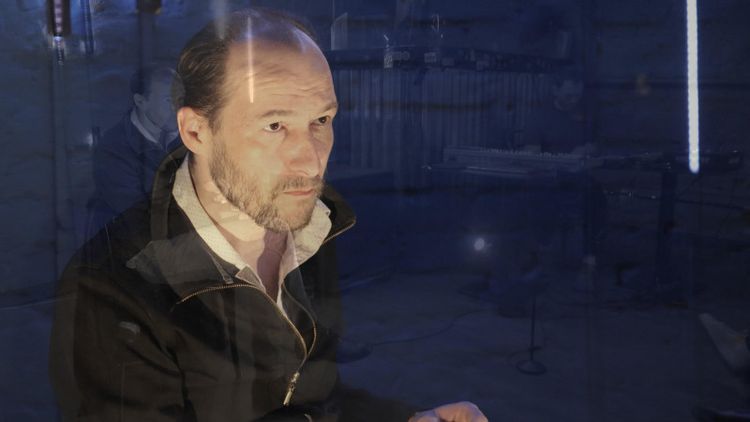
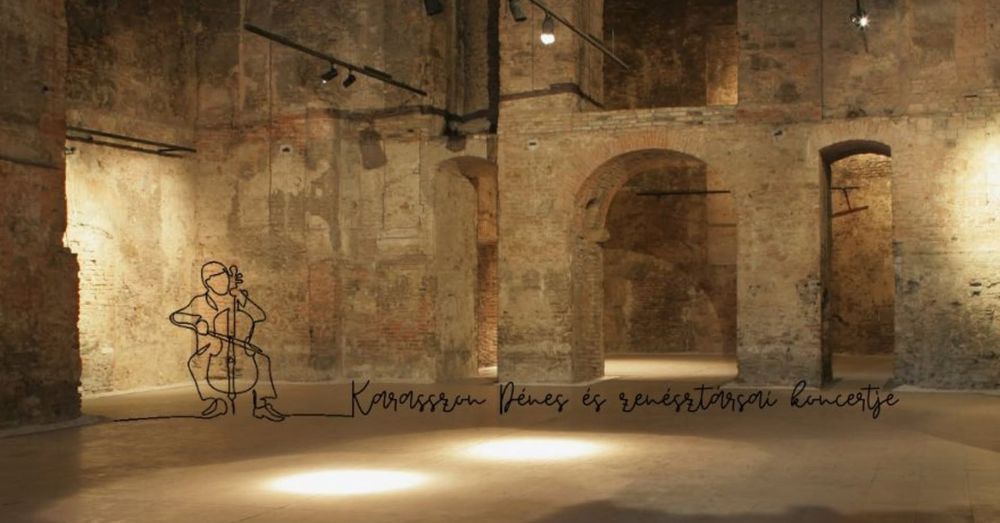
Concert by Dénes Karasszon and his fellow musicians

Program: JS Bach - Goldberg Variations | String trio in transcription
According to tradition, the work was created around 1741 for Baron Hermann Karl von Keyserlingk, the Russian ambassador of Saxony. Nikolaus Forkel, Bach's first biographer, wrote: ”The count was often ill and had sleepless nights at this time. Goldberg (Johann Gottlieb Glodberg, the count's harpsichordist), who lived in his house, had to spend the night in the next room and the insomniac had to play some music. The Count once mentioned to Bach that he wanted some piano pieces for Goldberg, the soft and cheerful atmosphere of which could make his sleepless nights pleasant.” More recently, the truthfulness of Forkel's anecdote has been strongly questioned by the distinguished Bach researcher Christoph Wolff, since Goldberg was barely 14 years old at the time of the work's creation – it is not certain that he was technically and spiritually mature enough for such a work. According to him, the Goldberg variations were not made to order, but fit into the concept of Clavier-Übung from the beginning.
Schedule
Performed by: Katalin Farkas (violin), Emil Csonka (viola), Dénes Karasszon (violin)
Kiscelli Museum
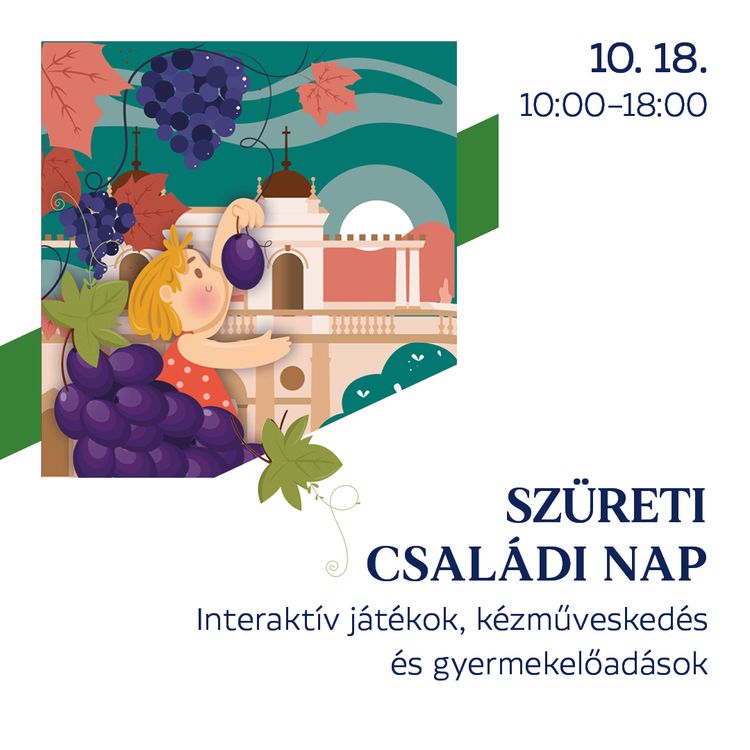
The Kiscelli Museum and its 15 hectares of parkland are located in the 3rd district of Budapest, between Óbuda and Remetehegy. The 18th century Baroque church and Trinitarian monastery, built by the Zichy family, was used as a barracks by the army in the 19th century. In 1910 it became the property of furniture manufacturer Miksa Schmidt, who later had it converted into a castle, hence the name Schmidt Castle. It is now home to the Budapest History Museum's collection of Modern Urban History and the Budapest City Gallery, the fine arts collection.