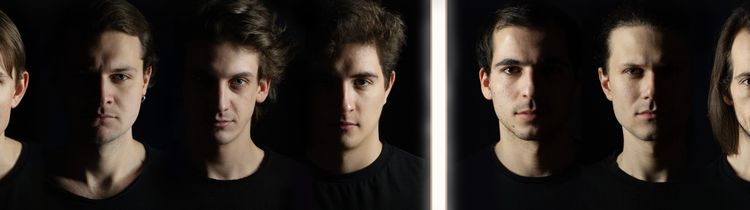
György Orbán and his disciples

An evening with Tímea Dragony, Katalin Szalai and Levente Gyöngyösi
"I am a craftsman. When I compose, I always smell like wood chips next to the piano." This is how György Orbán, composer for the 2023/24 season, put it in an interview, suggesting that for him, composing is first and foremost work and service, as it was for composers before 1800. His aesthetic ideals also lead him to the idea that music should be understandable, moving and beautiful in the traditional sense of the word. However, György Orbán is not only a master in this sense, but also a teacher, and the concert will highlight this when the works of three composers, now members of the middle generation, former Orbán students, come into contact with the master's music.
Schedule
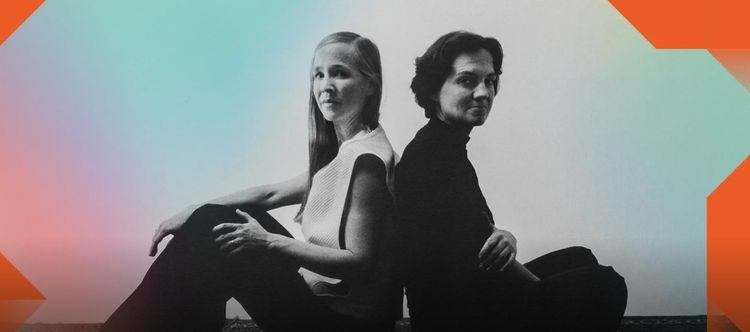
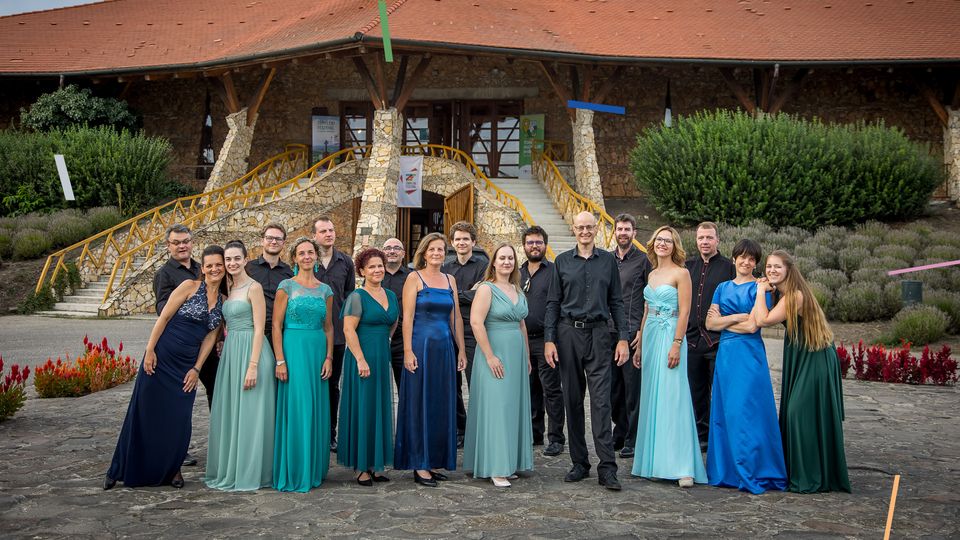
György Orbán taught composition and music theory at the Budapest Academy of Music between 1982 and 2009. The three composers, whose works are performed alongside their master's pieces, are not only linked to György Orbán as students, but also constantly put to good use the intellectual capital they received from him. At the start of the concert, Levente Gyöngyösi leads the Seventeen Singers in a performance of works by György Orbán and his own choir, demonstrating that tonality, singability and Latin texts thousands of years old still leave a great deal of room for the composer's imagination, even at the turn of the second millennium. Tímea Dragony's chamber orchestra work Gwethyr, premiered in 2018, takes the listener into the world of Celtic mysticism: as a real programme music, it casts the figure of the Celtic god of the title character in sound. Katalin Szalai's new piece for chamber orchestra, Quotation Marks, written for the occasion, works with specific musical quotations: it quotes not only from Bach, Schubert and Mozart, but also from György Orbán, in order to present the original ideas from a new angle. Finally, the concert will close with a new chamber cantata by György Orbán. Dominus Tecum - The Maiden and the Archangel is a dialogue between the Archangel Gabriel and the Virgin Mary. György Orbán has transformed the famous text of the angelic greeting and Mary's hymn of thanksgiving into a dramatic dialogue, creating a kind of dramatised Magnificat in its original form, with music that is appropriately uplifting and moving.
The performance will be preceded at 18.30 by a foreword presentation. More details will be available on our website in the weeks before the concert.
Müpa Budapest
Müpa Budapest is one of Hungary's best-known cultural brands and one of the most modern cultural institutions, bringing together different artistic disciplines in a unique way: it hosts classical, contemporary, light, jazz and world music, opera, new circus, dance, literature and film.