Photo exhibition by Dóra Gulyás: Lookout Station - Forests

Lookout Station - Forests
Photo exhibition by Dóra Gulyás
Jurányi Gallery
Schedule
- 17:00-17:00
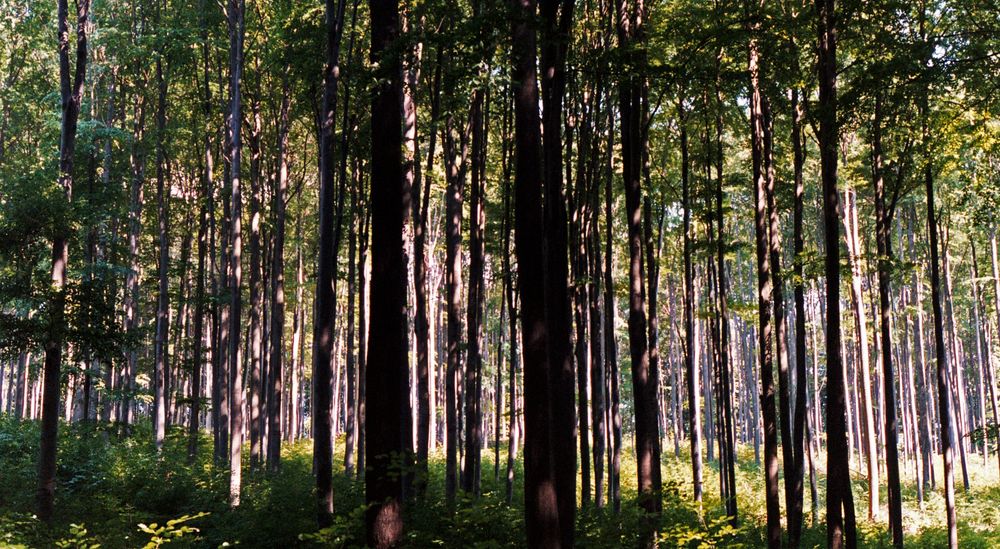
Photography is nothing more than light captured by a photochemical process. More precisely, it is the fixation of pictorial information conveyed by light. To put it very romantically: drawing with light. The recording methods and media used are a matter of taste. However, the starting point remains the same as long as the world is the world. Whether it is winter, spring, summer or autumn, LIGHT will paint the same magical patterns on the trees in every season.
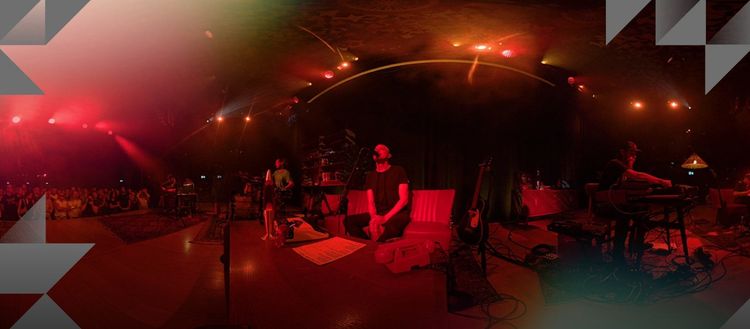
When I received the invitation to have my own exhibition at the Jurányi, I knew almost immediately that I wanted to show my nature photographs that are part of an experimental project that I hold very dear: the Lookout station, which I started working on two years ago with my friend András Hargitai (musician). Our experiment is a series of audiovisual performances based on the seasons, based on analogue photographs on 35 mm colour film and sounds recorded in nature. The performative events use analogue video synthesizers to bring the images to life and transport the viewer into the depths of the forest. The first part of the series, the Mátra, has been presented so far and will be followed by the Bükk in April.
For me, the most important thing in gathering the material was to capture the fascinating power of the trees and forests and the special emotions that (also) arise from the different seasons. It is this mystical power that I try to evoke within the walls of the Jurányi, bringing the forest and the calm and tranquil world that comes with it into the heart of the troubled city.
The recording of the Lookout Station - Mátra can be seen here: bit.ly/kilato_allomas-matra
We are preparing for the event with a sound backdrop installation cut together from sounds recorded in the Mátra and the Bükk.
Jurányi House
The Jurányi Production Community Incubator House has become a key venue in the capital's cultural life, a vibrant hub of the contemporary art scene.
Our aim in creating the Jurányi was to find a stable, shared home for the independent theatre and creative arts sector, providing the infrastructure necessary for its day-to-day operations. We wanted to create a cultural centre in the Buda area, a "contemporary art house" where theatre-loving young people could spend a few hours over a coffee or even a theatre performance, a creative children's activity or an acrobatic movement class, thus re-filling the abandoned educational institution with an active community life.
Jurányi is more than just a theatre in Buda, it is a creative and creative base where visitors can enjoy a varied artistic, community, and educational program, in addition to a regular repertoire of 300 productions a year. We are proud that the Jurányi House is now a graduation subject in some art schools.