Barabás and Petőfi EDITOR - Series of lectures in the Gallery

SEND
Presentations in the Gallery
Our lecture series aims to complement the experience of the exhibitions for our visitors.
The lectures, which are linked to our exhibitions and collections, provide background information and interesting facts that would be difficult to show in the exhibition space. Stories, connections, curiosities - in short, everything you only see under the magnifying glass.
Schedule
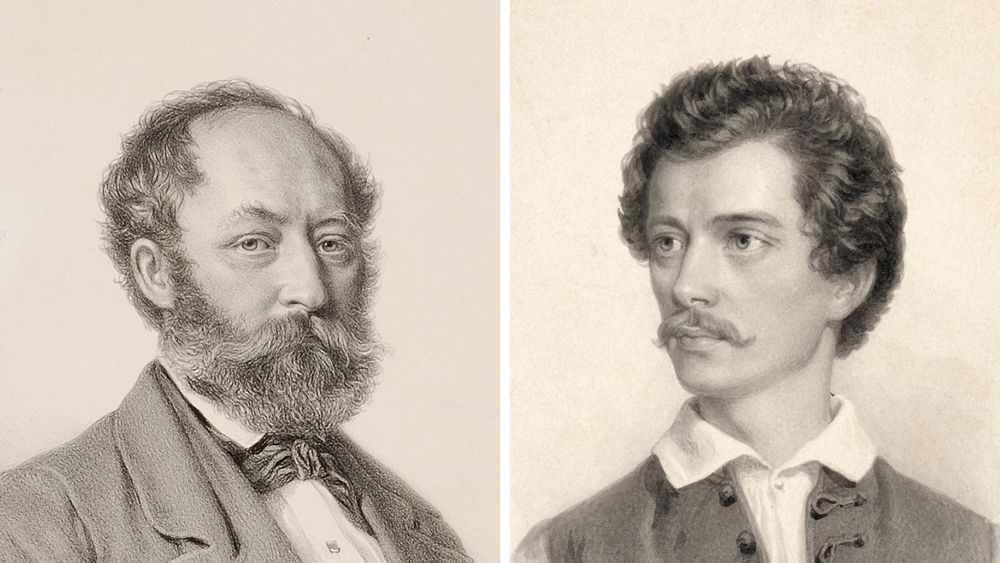
Barabás and Petőfi
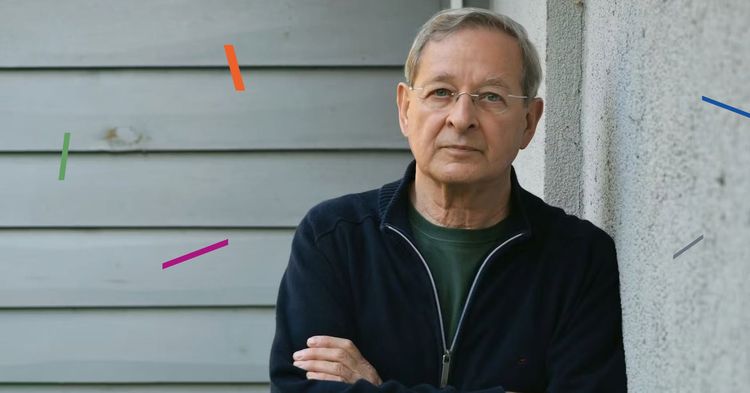
Lecture by art historian Gábor Bellák
Two important figures of our 19th century art and literature are much more alike than we think. They are outstanding artists, contemporaries, friends, and even the best-paid Hungarian artists of their time, and they share a great sense of humour. The show will be about wine, money, love and freedom, and of course there will be humour...
In our temporary exhibition "Miklós Barabás, Master of Drawing", we are presenting 125 works of art on the 125th anniversary of the artist's death. In addition to a few well-known paintings, the exhibition mainly features drawings and watercolours that the public has never seen before. The exhibition traces the artist's career through thematic and partly chronological units, from his attempts at drawing as a child and youth to his watercolours in his old age. The section on Barabás's portraiture includes one of the few portraits of Petőfi from the same period.
Entrance fee for the presentation: 1500 HUF
Maximum number of participants:
Duration: 60 minutes
Venue:
Tickets are available online or on a first-come, first-served basis.
Participation with a programme ticket or, subject to availability, with a Barabás exhibition ticket for the day of the performance.
Hungarian National Gallery
The Hungarian National Gallery is the largest public collection documenting and presenting fine art in Hungary. The permanent exhibitions of the museum, located in the Buda Castle Palace complex, showcase the most important works of Hungarian art, including masterpieces by Master MS, Pál Szinyei Merse, Mihály Munkácsy, József Rippl-Rónai and Dóra Maurer.