MÁTÉ-PASSIÓ

Oratorium in one part, in German, with Hungarian, English and German subtitles
Schedule
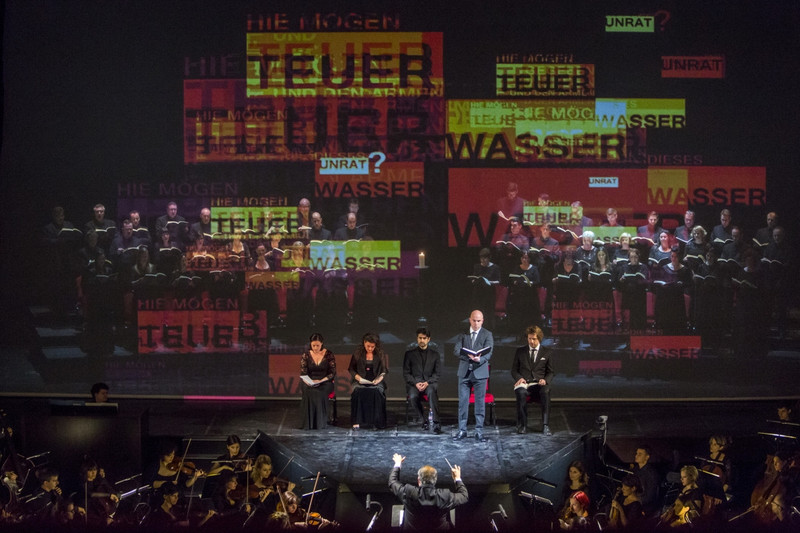
The St. Matthew Passion is Bach's greatest work, an unsurpassed highlight not only in Protestant church music but also in the history of music in general. After Bach's death, the work was forgotten. On 11 March 1829, a century after its original performance, the piece was performed again in Berlin, conducted by Felix Mendelssohn-Bartholdy. The composer-conductor adapted the work to Romantic performance practice, shortening it by a third, and employing a large chorus (158) and a large orchestra to match. In view of the great success, the concert was repeated on Bach's birthday, 21 March, and became a major social event, with the court and the German intelligentsia of the day in attendance. It was also the start of the Bach Renaissance and, more broadly, the custom of reviving older music.
Hungarian State Opera
The Hungarian State Opera House is the only theatre in Hungary with a large company, specialising in operas and ballets. The building is one of Budapest's most important 19th century monuments. It was built in neo-Renaissance style according to the plans of Miklós Ybl. The richly decorated interior was designed by renowned Hungarian artists, including Mór Than, Károly Lotz and Bertalan Székely.