BORDERS. The possibilities of a fresh start

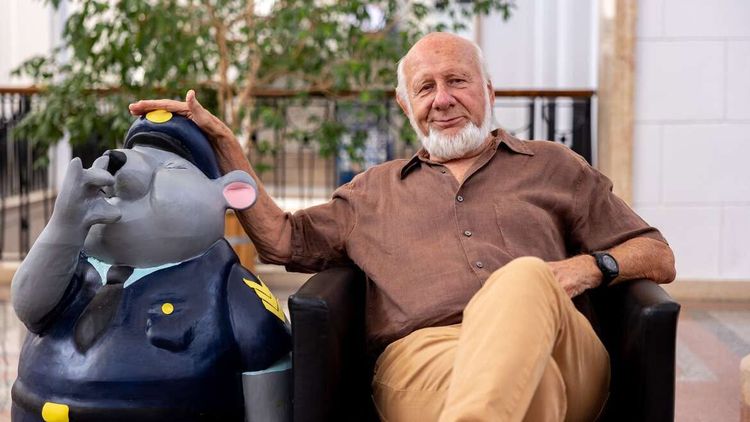
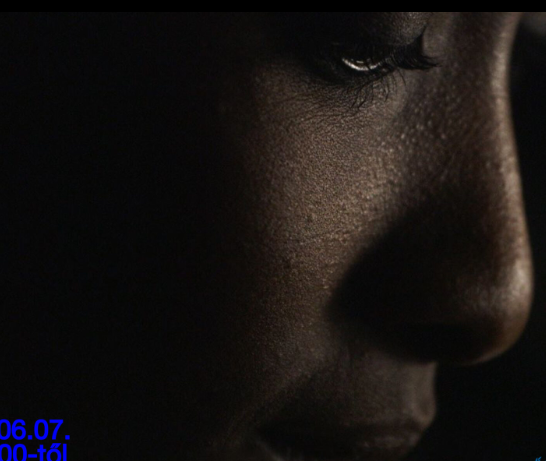
As one of the closing events of the exhibition Along the Common Borders, the spokesperson of the UNHCR in Hungary, Ernő Simon, will speak about the situation of refugees in Hungary. The presentation will focus on the life of Kafiya Said Mahdi. Kafiya fled her homeland Somalia alone at the age of 14 and arrived in Hungary, where she now speaks Hungarian beautifully, has acquired citizenship, graduated from university and has become one of the country's most successful fashion models.
After the presentation, the documentary film "Easy Lessons" starring Kafiya will be screened in the exhibition space.
Schedule
Film synopsis: "Easy Lessons follows the life of a beautiful young Somali girl who, on the verge of adulthood, must sever all ties to her homeland in order to start a new life in Hungary. In this poetic film, we are confronted with the biggest taboos in the most ordinary situations, as the girl embarks on a journey of assimilation and gradually masters European customs. She is closest to her mother, who helped her to escape, but now there is a growing cultural gap between them.
How can you tell her about the changes you are going through? This inner struggle and desire for absolution becomes a film on the screen and perhaps the only way to confess."
Starring Kafiya Said Mahdi
Directed by Dorottya Zurbó
Director of photography Natasha Pavlovskaya
Editing by Péter Sass
Music by Ádám Balázs
Voice: Rudolf Várhegyi
Producer: Julianna Ugrin
Producer: Éclipse Film
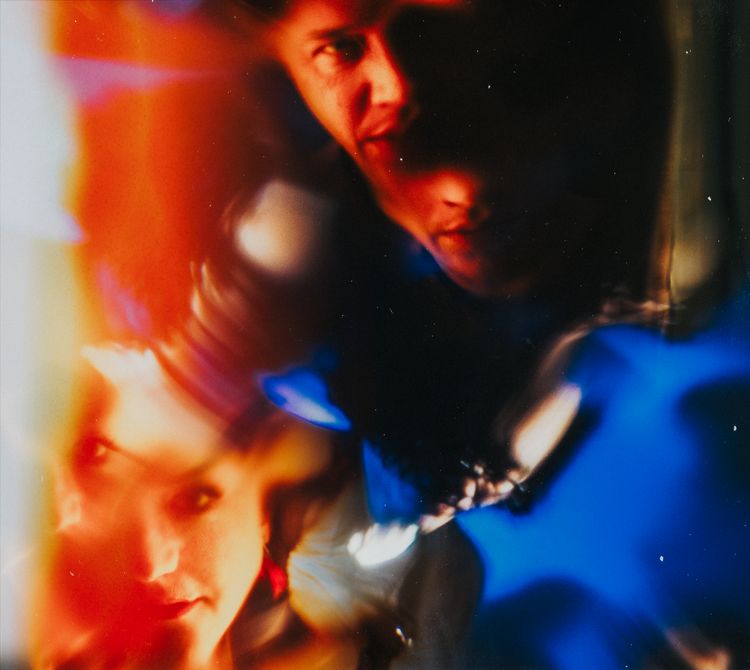
The starting point of the event is a series of photographs from the exhibition, a project by Andi Gáldi Vinkó Andi Borders. Vinkó Gáldi's photo series looks back on the refugee crisis of 2015-16 from a perspective of almost ten years. The crisis in the Middle East has made life impossible for millions of people. Freed from unlivable conditions, families have chosen to leave their homeland in search of a better future. With this, a huge mass of people set off for Western European countries, including Hungary. Although our country was only a transit country for most of the refugees, their circumstances were made infinitely more difficult by an increasingly hostile and rejectionist political and social environment. Families with young children found shelter in inhuman conditions in temporary camps along the borders, for precarious periods, often with an equally hostile attitude from the authorities. Gáldi worked in this environment as a volunteer, translator and photographer. In 2015, he documented the marches and daily lives of people often trampled in the rubbish. A year later, returning to the sites, he photographed the empty landscapes, now declared safe, fenced off by a fence "protecting" the borders - people had disappeared from them as if they had never been there.The fact that the artist is now also a mother of two has greatly shaded her perception of the refugee crisis. The faces and fates, the inhuman conditions and the precariousness of existence are forever etched in the artist's memory. But what seemed to be a circumstance separate from her at the time has now been internalised. In this globalisation of crises, when will we too suffer the same fate? Would a mother expose her young children to the dangers of perpetual and precarious migration? Is an extreme vision of either unconditional exclusion or inclusion the solution.
art quarter budapest
An independent art centre with an ultra progressive vision, it's worth venturing out to the outskirts of town for its exhibitions and dawning experimental electronic nights.