Esti Kornél


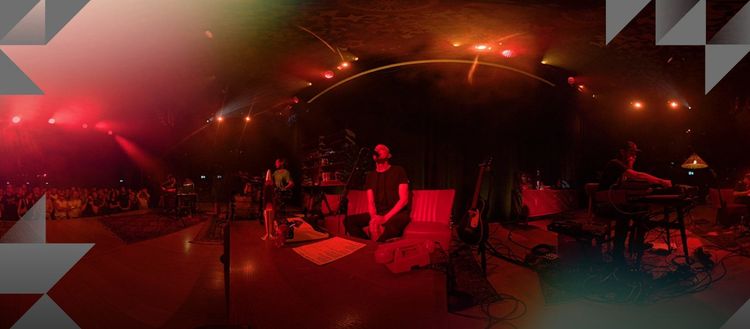
See you on 15 November at the Pécsi Est! We're going to have a 90-minute rocking, screaming concert, we're going to bring your favourite EK songs, we're going to sing about happiness, night, rain and about throwing our hearts out of the window.
Schedule
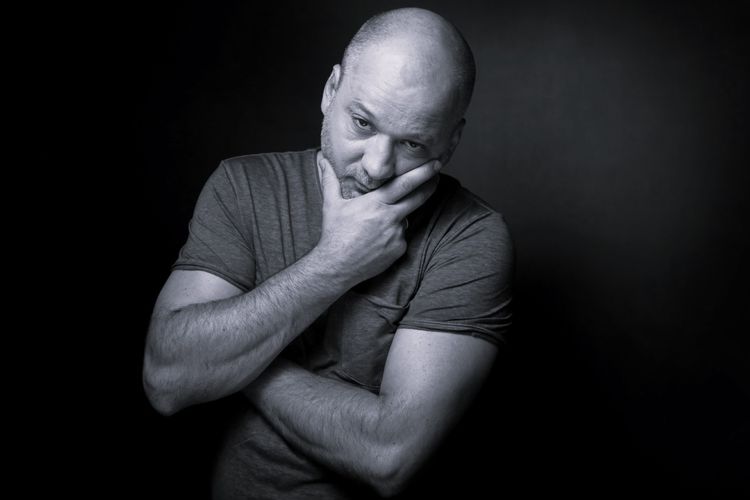
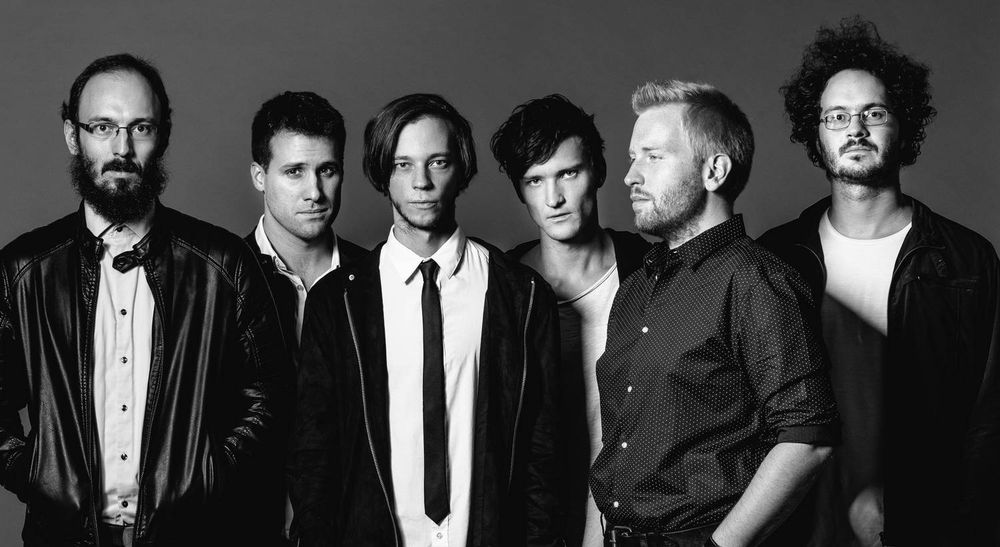
Esti Kornél is a Hungarian alternative rock band, formed in 2006 in Mezőtúr. The members of the band are Áron Bodor (vocals, keyboards), Kristóf Horváth (guitar), Ágoston Lázár (drums, vocals), Domokos Lázár (guitar, vocals), Ádám Pályi (bass) and Imre Veres (guitar).
Granárium Zebra Club
The Zebra Club is considered the predecessor of the "A Club", founded in 1989 at the dawn of the regime change, where the "A" referred to the word "alternative", indicating that the club wanted to depart from the mainstream, both in terms of its cultural and musical programmes, although the founders of the club may not have known the word at the time. It was all about rebellion, and helping the energy of youth to emerge and create. The club was founded on two parallel lines, one (the harder) line was represented by Zoltán Bencze (Csáklyás) and Pál Kohut (Kojak), while the other was represented by Ákos Szilvássy (Geri) and László Pálinkás (Lambee). The idea was greatly helped by the director of the then Péter Vajda Cultural Centre, who supported the idea and made the cellar club of the "art house" available to them. The Zebra Club is considered to be the predecessor of the "A Club", founded in 1989 at the dawn of the regime change, where the "A" stands for "alternative", indicating that the club wanted to depart from the mainstream, both in terms of its cultural and musical programmes, although the founders of the club may not have known the word at the time. It was all about rebellion, and helping the energy of youth to emerge and create. The club was founded on two parallel lines, one (the harder) line was represented by Zoltán Bencze (Csáklyás) and Pál Kohut (Kojak), while the other was represented by Ákos Szilvássy (Geri) and László Pálinkás (Lambee). The idea was greatly helped by the director of the then Péter Vajda Cultural Centre, who supported the idea and made the cellar club of the "art house" available to them.