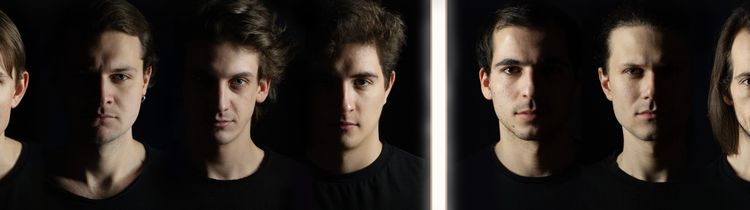
Gyula Ferenc Tomhán and his orchestra

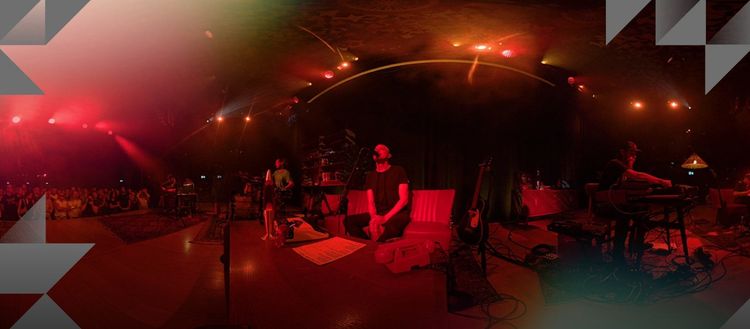
Whether it's the stirring melodies of stringed gypsy bands or the moving melodies of bar pianists, music has always permeated the restaurants, pubs and cafés of Hungarian towns. Once a month, the Muzsikusok Kávéháza series, launched in the café of the Hungarian House of Music, takes the audience into the world of the visiting musicians.

Schedule
During our café evenings, the restaurant atmosphere of the era of Gyula Krúdy, Pál Jávor, Antal Páger, celebrities who partied with the band, or even decadent jazz musicians comes to life. The aim of the series is to draw attention to one of our most important Hungarian heritages, the café gypsy music, which is nowadays unfortunately increasingly being overshadowed. This time, Gyula Ferenc Tomhán and his orchestra will evoke the music of the café.
The series is edited by Márton Éri, folk musician and cultural anthropologist.
Born in 1986, Ferenc Gyula Tomhán was born into a family of famous musicians, with generations of musicians in the family. 'It was not a question for me to become a musician, I was accepted as a young man into the famous Rajó orchestra, where I soon became a children's conductor, which was a great experience for me, as I had the opportunity to stand on stage many times leading a large orchestra.'
His teachers saw talent in him and he continued his studies in classical music at the Aladár Tóth Music School. But traditional gypsy music remained in his life, while he was also a student at the Gellért Hotel with the prima player Andor Bura Kovács. He then went on to study violin and viola at the Béla Bartók Conservatoire and continued as a prima player, accompanying Margit Bangó, Katalin Madarász and János Bokor, among many others.
In 2019, he won the first prize at the Anna Ball in Balatonfüred. 'My goal is to promote Hungarian culture and to maintain and cultivate Hungarian café gypsy music both at home and abroad.'
House of Music Hungary
A music education centre and concert venue in the heart of the City Park, behind the airy futuristic glass facade of Japanese architect Sou Fujimoto.