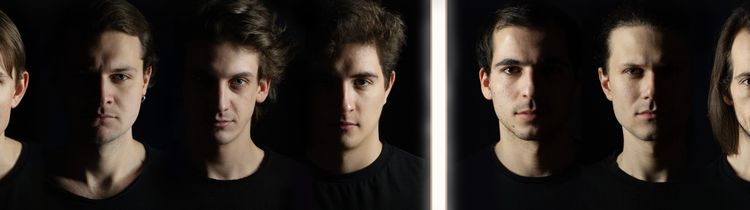
Kapela Maliszów, Lukács István, Vrencsán Anita, Dresch Mihály

Over the past centuries, the isolated mountain communities of Europe have been much more slowly affected by the influences, fashions and trends that have periodically reshaped the world's cultural landscape than other regions. Mountain music has therefore preserved a more archaic playing technique, melodic material and musicality, the musical image of bygone eras. And because time seems to have stood still a little in these regions, we often find similar solutions in the music of mountain regions that are geographically distant from each other.

Schedule
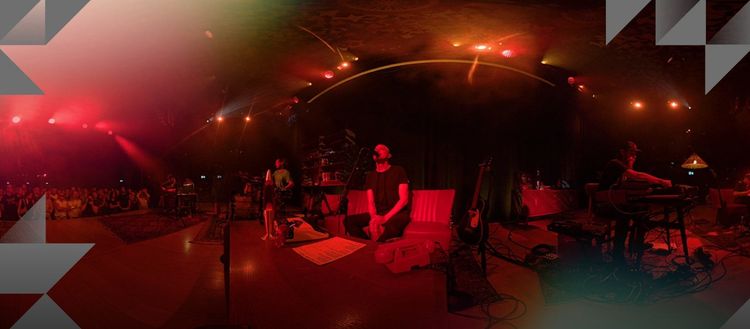
On the main stage of the Hungarian House of Music on 6 October - as part of our Landscapes and their Music series - renowned mountain musicians from the Gyimesek in Transylvania (violinist István Lukács "Luki", percussionist Zsolt Simon "Gizi" and singer Anita Vrencsán) and the Beszkidek in Poland (the Kapela Maliszów trio) will perform. In the concert, they will be searching together for the connections between their musical language and the greatest Hungarian master of the fusion of folk music and jazz, the Kossuth Prize winner Mihály Dresch.
The concert will be preceded by an Artist Talk in English with István Lukács and Kapela Maliszów.
Duration: 10 minutes
Presented by Soma Salamon
=========================
◖ Kapela Maliszów ◗
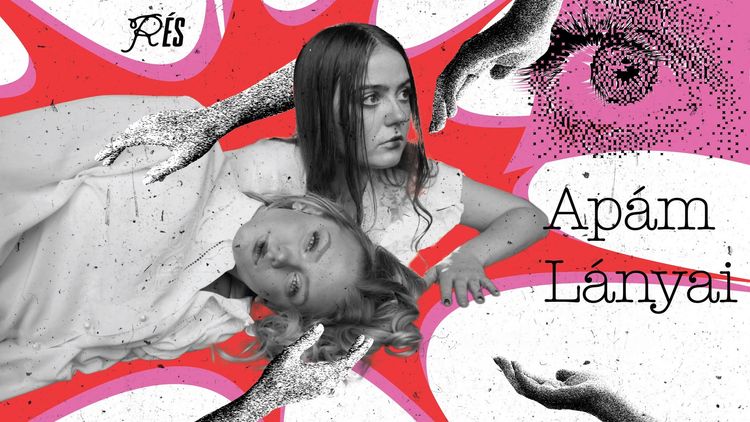
Kapela Maliszów is a family band from Męcina Mała, a small village in the Beszkidek. The trio consists of multi-instrumentalist Jan Malisz and his children - singer-drummer Zuzanna and violinist Kacper. The band is inspired by the traditional music of their region: folk songs and dance music from the Beskidek and other Polish regions. In addition to traditional songs, they also play their own compositions. Jan Malisz's father was already a musician and encouraged his son to compose folk music, so music is a long-standing tradition in the family. The band also plays music from the Gorlice region, which was once a melting pot of Polish, Lemko, Hungarian and Jewish cultures. They also play the endemic dance tunes of Pogórze. Their recordings and concerts have received many awards and accolades, also outside Poland.
=========================
◖ István Lukács 'Luki' and Zsolt Simon 'Gizi' ◗
István Lukács 'Luki' on the violin and Zsolt Simon 'Gizi' on the accordion are members of the Gyimesközéplok Zerkula Orchestra, authentic interpreters of Gyimes Csángó folk music, who learned from the legendary Gyimes Gypsy prímás János Zerkula and his wife Regina Fikó. As dedicated traditionalists, they have preserved the archaic, unique sound and rhythm of Gypsy folk music, which is among the oldest melodies found in the Carpathian Basin. Their repertoire covers the whole spectrum of Gypsy dance styles and melodies, from 'heysa' to the wobbly Hungarian. Luki is a medical researcher, Gizi an engineer-programmer, but they are bound together by their passion for music. They dazzle audiences with their virtuoso playing and captivating rhythms.
=========================
◖ Anita Vrencsán ◗
Vrencsán Anita is a Gyimes Csángó singer born and raised in Kostelek, one of the most remote valleys of the Gyimes and Csíki hills. Here folk music and dance are still a living tradition, an integral part of everyday life. Anita learned the Gyimes Csángó song and dance from her parents and the village community. Her special voice and talent were noticed early on in Hungary and Romania. Among others, she was among the winners of the Feszállott a Páva folk art talent contest. She is currently a student of music culture at ELTE. Her singing is characterised by sharp clarity and soft lightness, her repertoire includes slow and swirling, 'bitter' and mischievous melodies.
=========================
◖ Mihály Dresch ◗
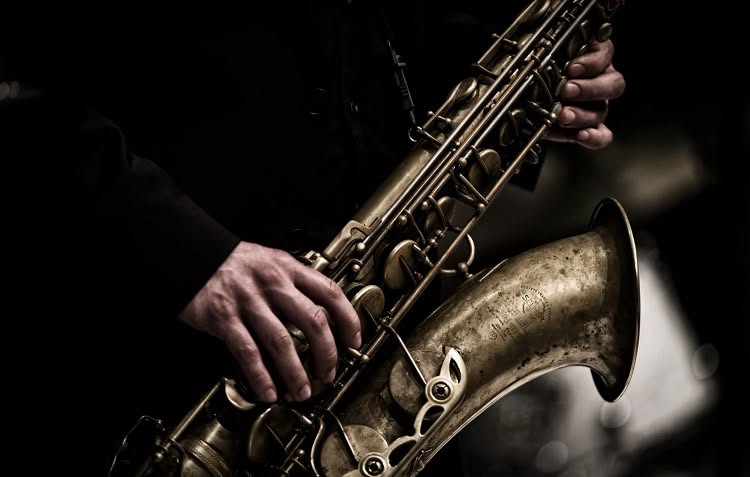
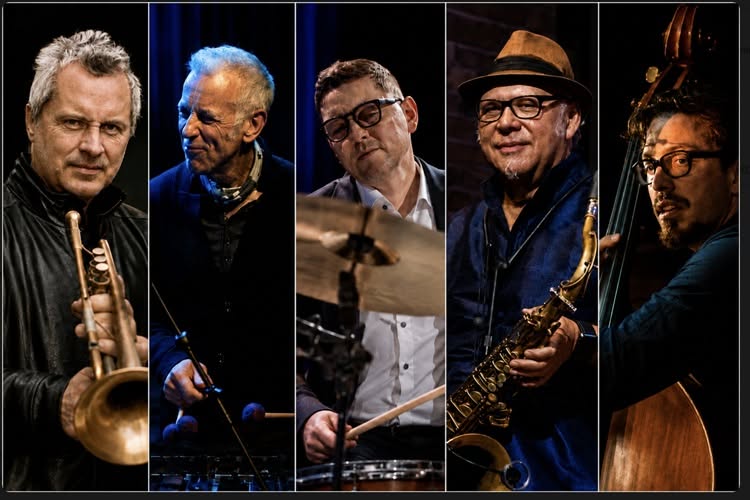
Mihály Dresch is one of the outstanding giants of Hungarian wind music, his playing explores the borderlands of folk music and jazz. With his orchestra and other formations, he has been consistently and confidently blazing his own trail for decades, with his individual fusion of Hungarian folk music and African-American jazz, developed by the band leader and the members of the band. Commitment to the musical concept, respect and humility for the sources, outstanding musicians, new and evergreen Dresch compositions, standards in the Dresch way - all these combine to create a musical experience that the audience of his concerts can always experience in a new way.
House of Music Hungary
A music education centre and concert venue in the heart of the City Park, behind the airy futuristic glass facade of Japanese architect Sou Fujimoto.