MARTIN WANDA: SONGS OF INNOCENCE AND EXPERIENCE

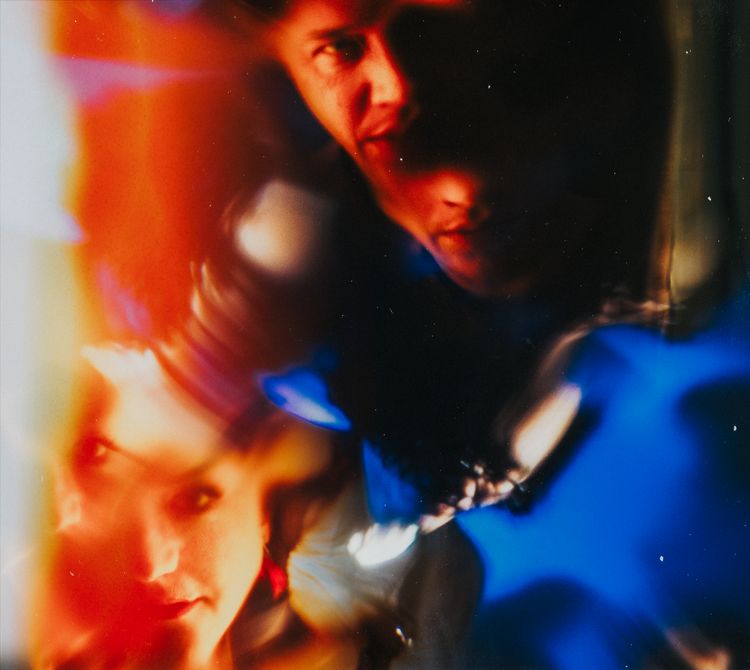
Martin Wanda's self-reflective collages series explores the challenges of postmodern love and the issues surrounding idealized and real affection, in which expectations often clash with reality. The title evokes William Blake's collection of poems, published in 1798 and illustrated by himself, in which text and illustration form an integral whole.

Schedule
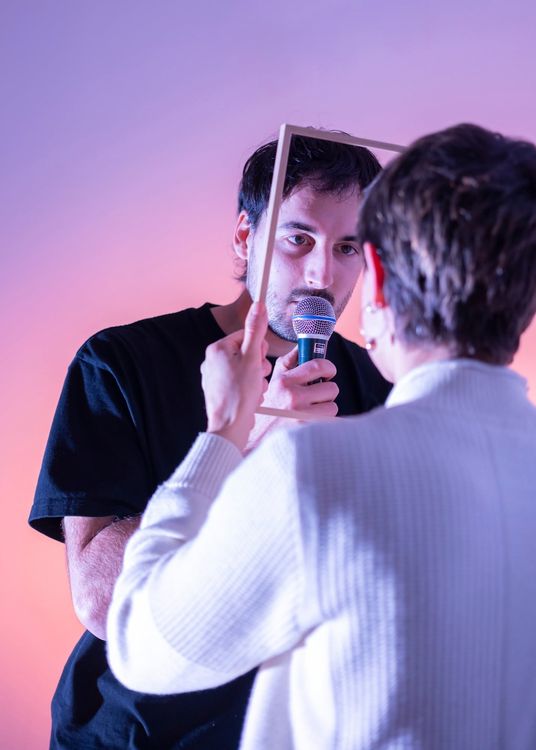
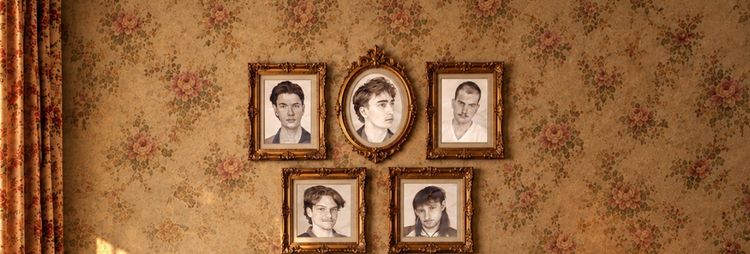
The young London-based photographer began work on her self-portrait collages series during the pandemic. By observing and photographing herself, Wanda empathizes with heroines of unfulfilled love stories such as Ophelia or Lady Shallotte, who were also iconic figures of Pre-Raphaelite paintings. These female characters of idealised beauty and the models hired to portray them were often only temporary love objects for men. By putting herself in the role of well known female characters, Wanda is liberating these female figures from the "male gaze” by observing and photographing herself.
The photographer romanticises love disappointments, combining on her collages scanned book pages from her favorite romantic novels, Wuthering Heights, Red and Black, Anyegin and The Sorrows of Young Werther, with handwritten texts of fragments of flattering or poignant, sometimes even vulgar text messages from ex-boyfriends, lovers and Tinder dates. The combination of these two contrasts the real and the desired love.
Relationships today are changing, often stepping outside the conventional norms and becoming more complex. This brings many benefits and liberation, but it is also difficult to navigate in this newer system sometimes. Combining self-portraits with the texts has become a kind of therapeutic process.
Martin Wanda studied BA Photography at Moholy-Nagy University of the Arts, then moved to London and obtained a Master's degree from the College of Fashion. Besides her photography work, she is the creative director of the music and fashion magazine Foxes.
Curator: Kereszty Anna
Hungarian House of Photography - Mai Manó House
Mai Manó House – The Hungarian House of Photographers – operates in a studio-house built at the end of 19th century, for the commission of Mai Manó (1855-1917), Imperial and Royal Court Photographer. This special, eight-story neo-renaissance monument is unique in world architecture: we have no knowledge of any other intact turn-of-the-century studiohouse. In addition, it serves its original goal, the case of photography again.
The aim of Mai Manó House is to advance the development of Hungarian photography and raise photography’s national prestige as a distinct form of art.
The institution plays a marked role in the cultural life of Budapest and Hungary, while the organization of exhibitions and programs abroad is getting more and more emphasis within its activities. The reputation of justly world-famous Hungarian photographers of the 20th century offers a great opportunity to regain our old status in the world of photography by the introduction of the generations following those great masters